


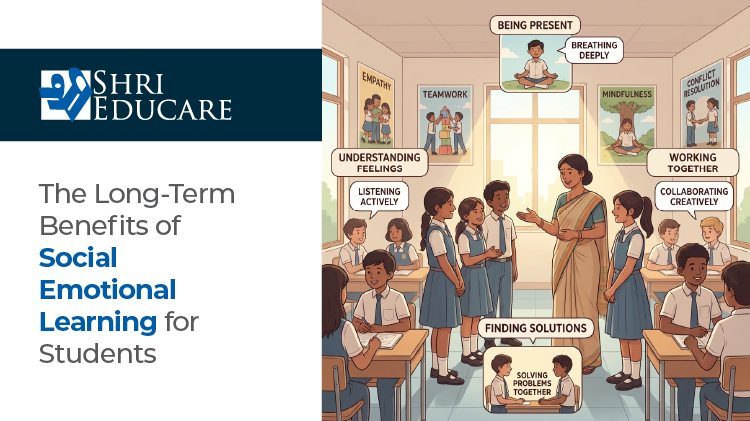
Education today is not limited to reading, writing and numbers. Schools also focus on helping students grow as balanced individuals. One important part of this growth is Social Emotional Learning. This approach supports students in understanding emotions, building good behaviour and developing positive habits that stay with them for life. Over time this learning supports academic growth, personal wellbeing and social success.
What Is Social Emotional Learning?
Social Emotional Learning is a structured way of teaching students how to understand their emotions and actions. It helps them learn how to behave in a calm and respectful manner. Students learn how to recognise feelings, manage reactions and show care towards others. These skills support learning inside the classroom and behaviour outside the school environment.
This type of learning is simple in nature but strong in impact. It supports steady emotional growth at every stage of education.
The Lasting Impact of Social Emotional Learning on Children
Emotional Awareness and Control
A key benefit of Social Emotional Learning is emotional awareness. Students learn to identify emotions such as happiness, anger or fear. They also learn safe ways to express these feelings. When students understand their emotions they are less likely to react in harmful ways.
Over time, emotional control helps students handle pressure, avoid conflicts and respond with patience. These habits continue into adult life and support long term emotional health.
Better Behaviour and Discipline
Students who are guided through Social Emotional Learning often show improved behaviour. They understand rules better and respect boundaries. This learning helps reduce classroom disruptions and builds a more organised learning environment.
Clear thinking and calm actions help students stay focused on their studies. Discipline becomes a habit rather than a forced rule.
Support for Academic Growth
Learning becomes easier when students feel emotionally safe. Social Emotional Learning supports mental focus and attention. Students learn how to stay calm during tests and manage learning stress.
With fewer emotional barriers, students are able to understand lessons better. Over time this leads to improved learning outcomes and steady academic progress.
Development of Social Skills
Strong social skills are important for every stage of life. Through Social Emotional Learning, students learn how to listen, share and work together. Respect for others becomes a natural behaviour.
Group work improves as students understand cooperation. These skills help students form healthy friendships and later support teamwork in professional environments.
Decision Making Skills
Daily decisions shape behaviour and results. Social Emotional Learning supports careful decision making. Students learn how to think before acting and understand the effect of their actions.
This ability reduces impulsive behaviour and supports responsible actions. Over time, students become more confident in handling personal and academic choices.
Mental Wellbeing and Stability
Mental health is closely connected to emotional learning. Social Emotional Learning supports stress control and emotional balance. Students learn how to remain calm during difficult situations.
By practising emotional control early, students build habits that protect mental wellbeing. This support continues through higher education and adult life.
Positive School Environment
Schools that apply Social Emotional Learning create structured and respectful spaces. Students feel safe and supported. Teachers manage classrooms more effectively and learning remains consistent.
Such environments reduce conflict and promote mutual respect. This positive setting supports learning and personal growth together.
Long Term Life Skills
The skills gained through Social Emotional Learning remain useful throughout life. Emotional awareness, patience and responsibility help students adjust to changes and challenges.
As education systems grow, institutions such as a School Franchise in India that focus on emotional development provide strong value. These skills support career growth and stable personal relationships in the future.
Conclusion
The long term value of emotional development is clear. Social Emotional Learning supports emotional control, social understanding and responsible behaviour. These skills strengthen both academic success and personal wellbeing.
Shri Educare supports schools that focus on structured emotional growth along with quality education. This approach helps every CBSE School Franchise prepare students for balanced and confident futures through strong emotional foundations.
Frequently Asked Questions
Q1. What is Social Emotional Learning?
A: Social Emotional Learning means learning about feelings, good behaviour and how to deal with people. It helps students understand themselves and others in a better way.
Q2. Why is Social Emotional Learning important in school?
A: It helps students stay calm, solve problems and make good choices. It also helps them do better in studies and work well with classmates.
Q3. How does Social Emotional Learning help students in real life?
A: It teaches them to handle stress, speak nicely and show care. These skills help in jobs, family and daily life.
Q4. Can Social Emotional Learning make students behave better?
A: Yes, it teaches them how to control anger, listen more and act with respect. This helps reduce fights and bad behaviour in school.
Q5. Who teaches Social Emotional Learning in school?
A: Teachers include it in class time. It can be through stories, talks, small tasks, or group work. Some schools also use special programs for it.