


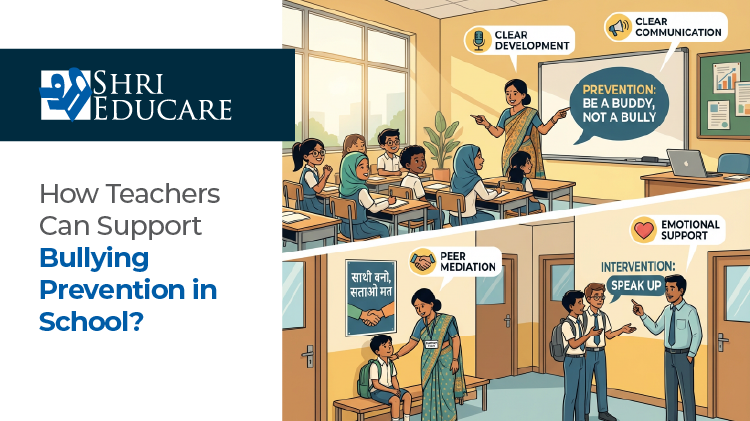
Bullying is a serious issue that many schools face today. It affects the emotional, mental and social well being of students. A student who is bullied may lose confidence, feel scared or stop enjoying school. Bullying can harm learning and lead to long term damage. This is why Bullying Prevention in School must be treated as a very important part of education.
Teachers play a strong and active role in stopping bullying. They spend most of their time with students and can see problems early. When teachers take the right steps at the right time, it helps every child feel safe, supported and valued in school.
How Teachers Help in Bullying Prevention in School?
1. Understand What Bullying Really Means
Before solving the problem, it is important to understand what bullying is. Bullying is not just a small argument or a one time joke. It is a repeated behaviour that is meant to hurt, embarrass or isolate someone. It can be physical, verbal, emotional or even silent.
Types of bullying include:
- Hitting, kicking or pushing
- Calling names, teasing or mocking
- Ignoring someone on purpose
- Spreading lies or rumours
- Using mean messages or pictures online
Teachers must know how to spot these behaviours. Early action can stop small problems from becoming big. This is the first and most basic step in Bullying Prevention in School.
2. Create a Safe and Positive Classroom Environment
A good classroom atmosphere can help reduce bullying. When children feel safe, respected and happy in class they are less likely to hurt others or feel afraid. Teachers must set clear rules that support kindness and fair behaviour.
Ways to build a positive classroom:
- Greet every student with care and respect
- Encourage group learning and teamwork
- Appreciate polite behaviour publicly
- Discourage shouting, blaming or name calling
- Use daily class discussions to build trust
Such small actions help develop a space where every child feels included. A peaceful classroom supports Bullying Prevention in School by creating the right habits early.
3. Talk to Students and Listen to Them Often
Some children who are bullied do not speak up. They stay silent out of fear, shame or confusion. This is why teachers must speak to students regularly. A few minutes of conversation each day can help children open up.
If a student shares a concern, teachers must:
- Listen with patience
- Believe the student
- Avoid judgement or blame
- Offer help and comfort
Bullying Prevention in School becomes more effective when children feel free to talk to adults. When they feel heard they feel safe.
4. Respond Quickly and Clearly to Bullying
When teachers see or hear about bullying they must act without delay. Ignoring bullying can lead to worse problems. The teacher must stop the bullying, talk to the students involved and take proper steps to correct the situation.
Steps to take after bullying is noticed:
- Separate the students involved
- Talk to both sides alone
- Inform school leadership if needed
- Document what happened
- Keep checking in with the victim
Clear and fast action builds trust. It sends the message that bullying is not accepted. This is a key part of Bullying Prevention in School.
5. Teach Students What Bullying Is and Why It Is Wrong
Children must be taught clearly what bullying means. Many students do not understand that their actions can hurt others. Teachers can explain this in simple words using real life examples. This helps students think before they act.
Teaching methods may include:
- Class talks and role plays
- Storybooks and pictures
- Posters on classroom walls
- Weekly life skill lessons
Bullying Prevention in School improves when every student knows what is right and what is wrong. Education is the strongest tool for change.
6. Watch for Bullying Outside the Classroom
Bullying does not only happen during lessons. It may happen in the lunch area, hallways, buses or washrooms. Teachers and staff must be alert in all school spaces. A small act of bullying may go unseen if no adult is present.
Supervision tips:
- Walk around during breaks
- Observe body language of students
- Look for students who sit alone
- Speak with support staff often
Complete Bullying Prevention in School needs careful attention at all times and in all areas of the school campus.
7. Involve Parents in the Process
Parents are important partners in solving bullying. If a student is bullying others or is being bullied the teacher must talk to their parents quickly. Keeping parents informed helps in making better decisions.
Parent meetings should include:
- Clear facts about the incident
- Actions taken by the school
- Suggestions for home support
- Regular updates on progress
When parents and teachers work together, Bullying Prevention in School becomes more effective and long lasting.
8. Encourage Children to Support Each Other
Students can also help stop bullying. Teachers must guide them to become helpful and kind classmates. Even small acts of support can make a big difference.
How students can help:
- Speak up when they see bullying
- Include left out classmates
- Tell a teacher about bullying
- Show kindness in daily behaviour
Bullying Prevention in School becomes stronger when children learn to stand together. It builds unity, friendship and a sense of safety.
9. Keep Learning as a Teacher
Bullying situations can be difficult. Teachers must stay updated with the best ways to handle such problems. Schools should provide training, workshops and reading materials for teachers.
Continuous learning includes:
- Attending child behaviour workshops
- Learning how to talk to victims and bullies
- Understanding student mental health
- Following national safety guidelines
Bullying Prevention in School improves when teachers learn and grow with time. Better knowledge leads to better protection.
Conclusion
Teachers have the power to protect and support every child. They play a big role in Bullying Prevention in School. Their eyes, ears and words can stop bullying before it grows. With care, action and teamwork every school can become a safe place for learning.
Creating a kind and alert school environment helps every student feel strong and secure. Early actions, regular talks and clear rules reduce bullying. Teachers, parents and students must work together.
At Shri Educare, we help schools build a strong and safe learning culture. For people planning to enter education or expand school networks, choosing a trusted School Franchise in India can offer the right tools, support and systems to make safety and child welfare a top priority.