Enquiry Form


Edit Template

Uncategorized

building communication skills in students

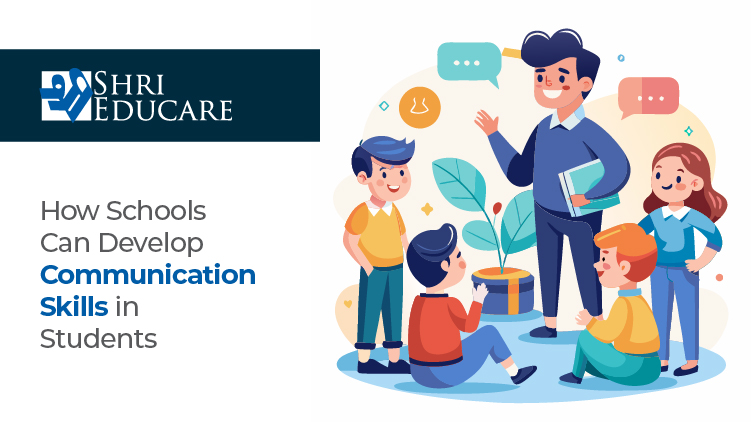
How Schools Can Develop communication skills in students

Good communication helps children express ideas, ask questions, listen to others and build stronger relationships. It also makes classroom learning easier because students feel more confident taking part in discussions. Developing communication skills in students should therefore be a regular part of school life, not something taught only before a speech or presentation. Children learn communication through daily practice. A classroom conversation, group activity or simple question can help. Schools can create small opportunities that make speaking and listening feel natural. Why Are Communication Skills Important in School? Students use communication while answering questions, working in teams, giving presentations, solving disagreements and speaking with teachers. Strong communication skills in students can also help children explain what they understand and where they need help. A child may know the answer but hesitate to speak. With regular support, that hesitation can slowly reduce. The aim is not to turn every student into a perfect public speaker. It is to help children speak clearly, listen carefully and share ideas with respect. Why Schools Should Focus on communication skills in students 1. Encourage More Classroom Discussions A classroom should not always be one person speaking while everyone else listens. Students need chances to talk, think and respond. Teachers can ask open questions such as, “Why do you think this happened?” or “What would you do differently?” These conversations improve communication skills in students because children learn how to explain thoughts in their own words. Quieter students can also be invited to participate gently. Small steps usually work better than forcing someone to speak in front of everyone. 2. Use Group Activities Regularly Group work is an easy way to practise communication. Students share ideas, divide tasks, listen to other opinions and solve small disagreements. To build communication skills in students, teachers can use group projects, classroom games, science tasks, storytelling or problem solving exercises. It also helps when every child has a role. One student may present, another may write and someone else may organise the work. Changing roles gives everyone a chance to practise. 3. Teach Students How to Listen Good communication is not only about speaking. Listening matters just as much. Schools can teach children to wait, listen and respond to what was actually said. Developing communication skills in students includes habits such as not interrupting, asking follow up questions and respecting different opinions. Teachers can model these habits too. When adults listen patiently, children see what respectful communication looks like. 4. Introduce Public Speaking in Small Steps Speaking in front of a class can feel scary, especially for shy students. Schools can make it easier by introducing it gradually. A child might first speak to a partner, then to a small group and later to the whole class. Short presentations, reading aloud, debates and storytelling can strengthen communication skills in students over time. The focus should be progress, not perfection. Children should feel safe even when they forget a word or make a small mistake. 5. Build Vocabulary Through Everyday Learning Students sometimes struggle to explain themselves because they cannot find the right words. Teachers can introduce useful words during normal lessons and encourage children to use them in conversation. Reading stories, discussing topics, describing pictures and writing short reflections can help. Students should also learn that clear communication does not require difficult words. Simple language often works best. 6. Use Role Play and Real Life Situations Role play can make communication practice enjoyable. Students can pretend to be a customer and shopkeeper, interviewer and candidate or team leader and group member. These activities help build communication skills in students by teaching how tone, body language and word choice can change a conversation. Real life situations also make lessons easier to remember because children can see where they may use the skill outside school. 7. Teach Respectful Ways to Handle Disagreements Students will not always agree and that is normal. The key is learning how to disagree without becoming rude. Schools can teach phrases such as, “I understand your point but I think…” or “Can we find another solution?” Teachers can also discuss examples of poor communication and ask how the situation could be handled better. This helps children learn that listening and respect can stop small problems from growing. 8. Give Helpful Feedback Feedback helps children improve. Instead of saying only “good” or “wrong,” teachers can offer clear suggestions. They may ask a student to speak louder, slow down, explain an idea more clearly or listen before responding. Positive feedback helps communication skills in students grow without making children feel judged. It is also important to notice progress. A shy student speaking for thirty seconds may have taken a big step. 9. Create a Safe Space to Speak Students communicate better when they feel safe. If children are afraid of being laughed at or corrected harshly, they may stop sharing ideas. Teachers can set simple rules: listen when someone speaks, do not make fun of mistakes and give everyone a fair chance. Parents can support the same habits at home by having regular conversations and allowing children to explain their thoughts. Conclusion Strong communication is useful far beyond school. It helps children work with others, express needs, solve problems and build confidence. It is also an important part of Skill Development for Students because speaking, listening, teamwork and clear thinking often work together. Shri Educare believes that education should help children grow academically as well as personally. It’s important to give students regular chances to speak, listen, discuss, present and collaborate. Schools can help them become confident communicators who are ready for real life situations and we do exactly the same so they learn and grow in a free environment.

How Schools Can Develop communication skills in students Read More »

CBSE School consultant

How to Choose the Right CBSE School Affiliation Consultants for Your School

Starting or upgrading a school involves far more than finding a building, hiring teachers and opening admissions. Schools also need to follow board requirements, prepare documents, create proper systems and complete several formal steps. This is where experienced CBSE school affiliation consultants can make the process much easier. The right consultant does not simply help with paperwork. They guide school owners through planning, compliance, documentation, infrastructure preparation and other important stages. Choosing the right partner, therefore, deserves careful thought. Why Is the Right Consultant Important Before Taking Any Step? The CBSE affiliation journey can involve many details. Missing a document, overlooking a requirement or preparing something incorrectly may create unnecessary delays. Reliable CBSE school affiliation consultants help school management understand what needs to be done and when it needs to be done. They can also help the team prepare in a more organised way. Think of them as guides. They may not run the school for you but they can show you the road and point out possible problems before those problems become bigger. What to Look for When Choosing CBSE school affiliation consultants 1. Look for Relevant Experience Experience should be one of the first things you check. A consultant who has already worked with schools understands the practical side of the affiliation process. They are more likely to know where schools commonly struggle and what kind of preparation is needed. Ask potential CBSE school affiliation consultants about the types of schools they have supported. You can also ask how long they have been working in the education sector. Experience does not only mean the number of years. It also means understanding school operations, academic planning, administration, compliance and the challenges faced by school leaders. 2. Check Their Knowledge of the Affiliation Process A good consultant should be able to explain the process in simple words. If every answer sounds too complicated or unclear, that may be a warning sign. School owners should understand what is happening at each stage instead of blindly following instructions. Experienced CBSE school affiliation consultants should be able to guide management through document preparation, planning, school readiness and the different steps involved in the affiliation journey. They should also make it clear which responsibilities belong to the consultant and which tasks need to be completed by the school management team. Clear communication from the beginning can save a lot of confusion later. 3. Understand What Services Are Included Not every consulting company offers the same level of support. Some may mainly guide schools with documentation. Others may also provide help with academic systems, teacher training, school policies, infrastructure planning, recruitment and operational processes. Before hiring CBSE school affiliation consultants, ask for a clear list of services. Find out whether they will only review documents or provide support throughout the process. Also ask whether there are additional charges for services that are not included in the original agreement. A detailed scope of work keeps expectations clear for both sides. 4. Ask About Their Approach to School Readiness Getting documents ready is important but a school itself must also be prepared. A good consulting partner should look at the bigger picture. They may review how the school operates, whether important systems are in place and what needs improvement before moving ahead. Professional CBSE school affiliation consultants should ideally focus on readiness rather than simply rushing through paperwork. For example, they may guide the school on maintaining proper records organising policies, preparing staff and creating processes that can continue after the affiliation work is complete. This kind of support can be far more valuable in the long run. 5. Choose Someone Who Communicates Clearly Affiliation work can stretch across different stages, so communication matters a lot. You should know who your main contact person will be, how often updates will be shared and what information your school needs to provide. The best CBSE school affiliation consultants keep school management informed without making every conversation feel complicated. A good consultant should also be willing to answer questions patiently. After all, school owners may be going through this process for the first time. If communication feels difficult before you sign an agreement, it may become even harder once the actual work begins. 6. Avoid Consultants Who Make Unrealistic Promises Be careful with anyone who guarantees an instant or effortless result. School affiliation involves formal processes and requirements. A consultant can guide, prepare and support you but they should not make promises that sound too good to be true. Trustworthy CBSE school affiliation consultants explain both the opportunities and the responsibilities involved. They should tell you what your school needs to improve instead of simply saying everything is fine. Sometimes the best advice may involve additional work. That can feel inconvenient at first but fixing an issue early is usually better than discovering it much later. 7. Check Their Understanding of School Operations Affiliation should not be treated as a one time paperwork exercise. Your school needs strong systems that continue working after the process is complete. This includes academics, administration, teacher development, student records, safety processes and everyday management. Consultants with broader education experience may provide more practical guidance because they understand how schools actually function. This can be especially useful for new school promoters who may have a strong vision but limited experience in running a school. 8. Ask for References or Previous Work Before making your final choice, ask whether the consultant can share examples of similar work or references from previous clients. You do not need a long list. Even a few genuine examples can help you understand their experience and working style. Speak to other school leaders if possible. Ask whether the consultant communicated well, handled problems properly and provided useful support throughout the engagement. Past work cannot guarantee future results but it can give you a clearer idea of what to expect. 9. Compare Value, Not Just Price Cost naturally matters, especially when setting up a new school. Still, choosing the cheapest option

How to Choose the Right CBSE School Affiliation Consultants for Your School Read More »

Entrepreneurial Skills in Students

How Schools Can Encourage entrepreneurship for students from an Early Age

Children are naturally curious. They ask questions, try new things, make mistakes and often come up with ideas adults would never expect. Schools can use this curiosity to introduce entrepreneurship for students in a simple and age appropriate way. This does not mean asking children to start companies at a young age. It means helping them learn how to solve problems, think creatively, take responsibility, work with others and turn ideas into action. These skills can support them in school, future careers and everyday life. Why Should Schools Introduce Entrepreneurship Early? When children learn only through textbooks, they may understand a subject but still struggle to use that knowledge in real situations. Introducing entrepreneurship for students gives them a chance to apply what they learn. They may create a small project, plan an event, develop a simple product idea or find a solution to a school problem. The focus is not always on making money. In fact, the bigger lesson is learning how to think independently. Students begin to ask questions such as, “What problem am I solving?” or “How can I make this idea better?” These questions build useful thinking habits from an early age. 7 Ways Schools Can Promote entrepreneurship for students 1. Encourage Students to Solve Everyday Problems Entrepreneurial thinking often starts with a problem. Schools can ask students to observe their surroundings and identify small issues. Maybe the classroom wastes too much paper. Perhaps students need a better way to organise books. Maybe the school can reduce food waste. Such activities make entrepreneurship for students practical instead of theoretical. Teachers can ask children to discuss the problem, suggest possible solutions and explain why their idea may work. Some ideas may be unusual. That is perfectly fine. The aim is to make students comfortable with thinking differently and trying new approaches. 2. Use Project Based Learning Projects give students space to explore an idea from beginning to end. For example, a class can create a small school magazine organise a book exchange, design an eco friendly product or plan a charity event. Through these activities, entrepreneurship for students becomes part of normal learning rather than a separate lesson. Students may need to divide responsibilities, set goals, create simple budgets, promote their idea and solve problems along the way. The best part is that learning feels real. Students can see the result of their decisions instead of simply reading about how decisions are made. 3. Let Students Make Small Decisions Children need opportunities to make choices. Teachers do not always need to give step by step instructions. Sometimes students should decide how they want to complete a project, who will handle each role or how they will present their work. This approach to entrepreneurship for students can build independence and confidence. Of course young learners still need guidance. But giving them a little freedom teaches them that decisions have results. If something does not work, teachers can ask what they would change next time. That simple discussion can be more valuable than immediately correcting every mistake. 4. Make Creativity Part of Everyday Learning Creativity is not limited to drawing, music or art. It is also about finding new ways to solve problems. Schools can encourage creative thinking through open ended questions. Instead of asking only, “What is the correct answer?” teachers can sometimes ask, “Can you think of another way?” This mindset supports entrepreneurship for students because real life problems rarely have only one possible solution. Brainstorming sessions, storytelling, design challenges, role play and group projects can all help. Students should also feel safe sharing unusual ideas. If children fear being laughed at, they may stop speaking up. A supportive classroom makes creativity much easier. 5. Teach Basic Money and Planning Skills Students do not need complicated financial lessons at a young age. Simple ideas are enough. They can learn the difference between cost, price, saving, spending and profit through classroom activities. For example, students can plan a pretend shop or organise a small school fair. They may decide what materials are needed, how much they cost and how they will manage a limited budget. These activities make entrepreneurship for students easier to understand because children can connect lessons with real situations. It also helps them see that a good idea needs planning. Excitement is useful but numbers and practical thinking matter too. 6. Introduce Teamwork and Leadership Most ideas are not built alone. People usually need to communicate, share responsibilities and work with others. Schools can use group projects to teach these skills. One student may be good at presenting. Another may be better at planning. Someone else may enjoy designing or organising. Through entrepreneurship for students, children can learn that different strengths can work together. Leadership should also not mean controlling a group. Students can learn that a good leader listens, gives others a chance to speak, helps solve disagreements and takes responsibility when something goes wrong. These are valuable lessons well beyond business. 7. Bring Real World Experiences Into the Classroom Students often learn better when they hear real stories. Schools can invite entrepreneurs, professionals, local business owners or even parents to speak about how ideas become real projects. The conversation should stay simple. Speakers can explain what problem they noticed, what challenges they faced and what they learned from mistakes. This can make entrepreneurship for students feel achievable and relatable. Schools can also arrange visits to local businesses or organise small innovation days where students present their own ideas. Seeing how work happens outside the classroom can help children connect education with the wider world. 8. Teach Students That Failure Is Part of Learning Children are often taught to avoid mistakes. Entrepreneurship requires a slightly different mindset. An idea may fail. A project may not go as planned. A presentation may need improvement. That does not mean the student failed. Teachers can encourage students to ask three simple questions: What worked? What did not work? What can we try next? This helps children

How Schools Can Encourage entrepreneurship for students from an Early Age Read More »

self discipline for study habits

How Self Discipline For Students Helps Build Better Study Habits

Good study habits do not appear overnight. They grow through small choices students make every day. Finishing homework on time, revising lessons and staying focused in class all require discipline. This is why self discipline for students plays an important role in learning. The goal is not to study all day. It is to build a simple routine that students can follow without constant reminders. Good time management makes studying less stressful and more organised. What Does Self Discipline Mean for a Student? Self discipline means doing what needs to be done, even when you do not feel like doing it. For a student, this may mean completing an assignment before watching a show or keeping the phone away during study time. The value of self discipline for students is that it helps them take control of their own learning. They do not always need a parent or teacher to tell them what to do next. Over time they begin to make better choices on their own. Students also need breaks and rest. Discipline is not about being strict all the time. It is about balance. How Does Discipline Improve Study Habits? Good study habits depend on consistency. A student who studies for a short time every day may learn better than someone who studies for hours only before an exam. This is where self discipline for students makes a difference. It helps children follow a regular schedule even when they feel distracted. Once the routine becomes familiar, studying starts to feel like a normal part of the day. 1. It Helps Students Manage Time Better Many students struggle because they leave work until the last moment. Soon, homework piles up and tests come closer. With self discipline for students, time becomes easier to manage. Students can divide work into smaller tasks and finish them step by step. Instead of completing an entire project in one evening they can spend a little time on it each day. This approach makes large tasks feel less scary. It also gives students enough time to understand what they are learning instead of rushing through everything. 2. It Reduces Procrastination “I’ll do it later” is something almost every student says at some point. The problem is that later can quickly become tomorrow. Building self discipline for students can help break this habit. Students learn to begin their work even when they do not feel fully motivated. A useful trick is to start with just ten minutes. Starting is often the hardest part. Once students begin they may find that the task is not as difficult as they expected. Slowly, starting work on time can become a normal habit. 3. It Improves Focus Phones, games, social media and other distractions can make concentration difficult. Strong self discipline for students helps create boundaries during study time. A student may keep the phone in another room, switch off notifications or choose a quiet place to work. The goal is simple: make study time more focused. One hour of proper attention can be more useful than several hours of distracted studying. It also helps to take short breaks. A few minutes away from books can refresh the mind and make it easier to concentrate again. 4. It Encourages Regular Revision Many students revise only when exams are close. This can make learning feel rushed and tiring. When self discipline for students becomes part of daily life, regular revision feels easier. Students can spend a few minutes reading classroom notes, practising questions or going through an old chapter. Regular revision helps students stay familiar with what they have learned, so exam preparation does not feel like starting from zero. Even a short review after school can make a difference. The idea is to keep learning fresh instead of trying to remember everything at once. 5. It Builds Responsibility and Independence As children grow they are expected to manage more work on their own. Assignments become longer, subjects become harder and parents may not always supervise every task. This is another reason self discipline for students matters. It teaches children to take responsibility for their work. They learn to plan tasks, meet deadlines and prepare without always being reminded. These habits can also build confidence. Students begin to see that their choices affect their results. When children take responsibility for small things they slowly become more independent. This ability can help them not only in school but also later in life. 6. It Makes Exam Preparation Less Stressful Exams can feel overwhelming when preparation begins too late. Students may try to cover several chapters in only a few days, which creates pressure. A disciplined routine makes it easier to start earlier. Students can revise one topic at a time, practise regularly and identify difficult areas before the exam gets too close. Some nervousness is normal but regular preparation can help students feel more ready and in control. Instead of spending the night before an exam trying to learn everything, students can use that time for light revision and proper rest. How Can Parents and Teachers Help? Discipline grows better through guidance than pressure. Students need clear expectations but they also need space to make mistakes and improve. Parents and teachers can help by creating simple routines, setting realistic goals and appreciating effort instead of focusing only on marks. Giving students small responsibilities can also encourage independence. It is also important not to compare children. Every student learns at a different pace. Adults can guide students but they should also allow them to solve small problems on their own. This gives children a chance to learn from experience. Simple Habits Students Can Start Today Students do not need to change everything at once. They can start with a short daily study plan, a clean study space and a fixed time for homework. It can also help to finish difficult tasks first, take short breaks and prepare books the night before. These actions may look small but when repeated regularly they

How Self Discipline For Students Helps Build Better Study Habits Read More »

ai integration in education

Key advantages of AI in education for Modern Schools

Schools today are changing faster than ever. Technology has become a normal part of learning and classrooms are becoming more interactive every year. Teachers are using digital tools, students are learning in different ways and schools are looking for smarter methods to improve education. This is where the advantages of AI in education are becoming more visible. Artificial Intelligence or AI, is not here to replace teachers. Instead, it supports teachers, students and school leaders by making many daily tasks easier. When used in the right way, AI can save time, improve learning and create a better classroom experience for everyone. AI Makes Learning More Personal Every student learns differently. Some understand quickly, while others need more time and practice. One of the biggest advantages of AI in education is that it can support different learning styles. AI tools can recommend extra practice, explain difficult topics in simple ways and help students learn at their own speed. This gives students more confidence because they are not forced to learn at exactly the same pace as everyone else. Teachers can also identify students who need additional support before they fall behind. Teachers Save More Time Teachers spend many hours on work outside the classroom. They prepare lessons, check assignments, manage attendance and create reports. AI can reduce some of these repetitive tasks. Instead of spending long hours on paperwork, teachers can focus more on teaching and supporting students. Some tasks AI can help with include: These everyday improvements allow teachers to spend more quality time with students. Better Student Engagement Students enjoy learning when lessons are interesting and interactive. The advantages of AI in education include making lessons more engaging through quizzes, videos, learning games and interactive activities. Instead of only reading from textbooks, students can experience learning in different ways. When learning feels enjoyable, students usually participate more and remember concepts for a longer time. Faster Feedback for Students Students improve faster when they receive feedback quickly. If they have to wait many days to know their mistakes, learning becomes slower. AI tools can provide instant feedback on practice questions and simple assessments. Students can immediately understand: Quick feedback keeps learning active and helps students correct mistakes early. Better Support for Teachers Teaching is not only about delivering lessons. Teachers also need to plan activities, prepare worksheets and create assessments. The advantages of AI in education also include helping teachers prepare classroom resources faster. AI can suggest ideas, organize information and support lesson planning. This does not replace teacher creativity. Instead, it gives teachers more time to focus on explaining concepts, encouraging students and building stronger classroom relationships. Improved Data and Progress Tracking Schools collect a lot of information every year. Attendance, homework, assessments, exam results and classroom performance all create useful data. AI helps schools organize this information in a better way. School Area Traditional Method AI Supported Method Student progress Manual review Quick learning analysis Attendance Registers Digital tracking Assessments Manual checking Faster evaluation Reports Time consuming Easy report generation Learning gaps Hard to identify Early identification This helps teachers and school leaders understand where students need more support. Better decisions become easier when information is available clearly. Encourages Creative Learning Learning should not always be limited to reading and writing. AI can encourage creativity by helping students explore ideas, solve problems and complete projects. Students can use AI tools to: Teachers can guide students on how to use these tools responsibly. The goal is not to let AI do all the work but to make learning richer and more exciting. Supports Inclusive Education Every classroom includes students with different strengths and learning needs. Some students may need extra practice. Others may require visual learning or additional explanations. The advantages of AI in education include making learning more inclusive. AI powered tools can provide: This allows more students to learn comfortably without feeling left behind. Helps Schools Work More Efficiently Schools do much more than classroom teaching. They manage admissions, attendance, communication, reports, examinations and many daily activities. AI can support school management by improving efficiency in routine tasks. This allows school staff to spend less time on repetitive work and more time on meaningful activities that directly benefit students. Even small improvements in administration can make daily school operations much smoother. Prepares Students for the Future The world is changing quickly and technology is becoming part of almost every career. Students who understand AI and digital tools today will be better prepared for tomorrow. Schools can introduce AI in a balanced way by teaching students: These skills will remain valuable even as technology continues to grow. Teachers still play the most important role by guiding students on when and how to use technology wisely. Conclusion Artificial Intelligence is becoming an important part of modern education but it works best when it supports teachers instead of replacing them. The advantages of AI in education include personalized learning, faster feedback, better classroom engagement, improved school management and stronger support for both teachers and students. When schools come close with technology with quality teaching, learning becomes more effective and meaningful. Shri Educare believes that understanding the Importance of AI in education helps schools build smarter learning environments while always keeping teachers and students at the center of education.

Key advantages of AI in education for Modern Schools Read More »

training program for teachers

Important Skills Teachers Gain from CBSE Teacher Training

Teaching is not only about explaining lessons from a book. A good teacher also understands students, plans better classes, handles different learning needs and creates a positive classroom. Today, classrooms are changing fast. Students ask more questions, parents expect regular updates and schools want better learning results. This is where CBSE teacher training helps teachers grow in the right way. It gives teachers better methods, fresh ideas and practical skills. More than anything, it helps them feel confident in the classroom. When teachers improve, students also learn better. Key Skills Teachers Develop Through CBSE Teacher Training Better Lesson Planning Skills A strong class starts with a good lesson plan. Without planning, even a simple topic can become confusing for students. Through CBSE teacher training, teachers learn how to plan lessons step by step. They understand how to start a topic, explain the main idea, add activities, ask questions and check if students have understood. A good lesson plan helps teachers: When planning is strong, teaching becomes smoother. Students also feel less lost because the class has a clear flow. Stronger Classroom Management Every classroom has different types of students. Some are quiet. Some are very active. Some learn quickly, while some need more support. Managing all students with patience is a real skill. CBSE teacher training gives teachers useful ways to manage the classroom better. Teachers learn how to create rules, keep students focused, handle small disruptions and build respect in class. Good classroom management does not mean being strict all the time. It means creating a calm space where students know what is expected from them. When the class is well managed, teachers can teach better and students can learn without too many distractions. Improved Communication Skills Teachers speak with students, parents, school leaders and other teachers. So, communication plays a big role in school life. One strong part of CBSE teacher training is helping teachers communicate in a clear and simple way. Teachers learn how to explain ideas better, give feedback politely and speak with parents in a useful manner. Good communication helps in many ways: A teacher who communicates well can build stronger trust with students and parents. Better Understanding of Student Needs Every child is different. Some students understand through reading. Some learn through pictures. Some need hands on activities. Some may need extra time. CBSE teacher training also helps teachers understand these different learning needs. It teaches them to notice learning gaps and support students in a kind way. This is very important because one teaching style may not work for everyone. Teachers learn to use: When teachers understand students better, learning becomes more inclusive and comfortable. Skills for Activity Based Learning Students learn better when they are involved in the lesson. Long lectures can make them bored, especially in younger classes. Activity based learning keeps the classroom lively. It allows students to think, speak, ask, create and participate. CBSE teacher training makes teachers more comfortable with activity based teaching. They learn how to use small games, projects, group discussions, role plays and practical examples. Here is how activity based learning supports students: Teaching Method How It Helps Students Group discussion Builds speaking and listening skills Role play Makes topics easier to understand Projects Improves creativity and research skills Quizzes Helps with quick revision Storytelling Makes learning more interesting These methods make learning more fun and meaningful. Students remember things better when they take part in the process. Better Assessment and Feedback Skills Tests and exams are important but they are not the only way to understand student progress. Teachers need to know how students are learning throughout the year. They should be able to spot weak areas early and guide students before the problem becomes bigger. CBSE teacher training helps teachers read student progress more clearly. They learn how to use class tests oral questions, worksheets, assignments and observations. Good feedback should not make students feel scared. It should help them improve. For example, instead of saying, “This is wrong,” a teacher can say, “You are close but try this step again.” This small change can improve confidence. Digital Teaching Skills Technology is now a normal part of education. Smart boards, online classes, digital worksheets, videos and school apps are common in many schools. Teachers do not need to become tech experts but they should know how to use simple digital tools. With CBSE teacher training, teachers learn how to use technology in a useful way. They understand how to add videos, presentations, quizzes and digital content to make lessons easier. Digital tools can help teachers: Technology works best when it supports teaching, not when it replaces the teacher. Confidence in Handling New Education Trends Education keeps changing. New policies, new teaching styles and new student needs come up from time to time. Teachers who continue learning are better prepared for these changes. Training helps teachers stay updated and open minded. It also gives them the confidence to try new methods without fear. A confident teacher brings positive energy to the classroom. Students can feel that energy. They become more active, more curious and more ready to learn. Stronger Emotional Connection With Students A good teacher does not only teach subjects. A good teacher also understands feelings. Many students face pressure, fear, low confidence or difficulty in expressing themselves. Teachers who can notice these signs can support students better. Training helps teachers become more sensitive and patient. They learn how to listen, encourage and guide students with care. A kind word from a teacher can make a big difference in a child’s day. Sometimes, that small support helps a student believe in themselves again. Conclusion Teachers shape the learning journey of every child. When they receive the right support their teaching becomes clearer, kinder and more effective. CBSE teacher training can help teachers improve lesson planning, classroom management, communication, assessment, digital skills and student support. These skills create better classrooms and stronger learning outcomes. Shri Educare supports schools with thoughtful guidance and teacher

Important Skills Teachers Gain from CBSE Teacher Training Read More »

school improvement strategies

Effective school improvement strategies for Better Learning Outcomes

Every school wants students to learn better, feel safer and grow with confidence. But strong learning does not happen by chance. It needs planning, teamwork, clear goals and regular action. This is where school improvement strategies become very important. A school may have good teachers, bright students and a strong name but if daily systems are weak, results may not improve as expected. Small changes in teaching, communication, leadership and student support can create a big impact over time. The good thing is that improvement does not always need complicated steps. Schools can start with simple ideas and build better outcomes slowly and steadily. How school improvement strategies Help Students Learn Better  Start With Clear Goals The first step is to know what the school wants to improve. Some schools may want better exam results. Some may want better classroom discipline. Others may want stronger parent communication or better teacher training. Clear goals help everyone move in the same direction. For example, a school can set goals like: When goals are clear, school improvement strategies become easier to plan and measure. Everyone knows what needs attention. Focus on Better Teaching Methods Teaching is the heart of learning. If classroom teaching is boring or too fast, students may lose interest. Many children do not speak up when they do not understand something. So, teachers need to make lessons simple, active and easy to follow. Teachers can use: Good teaching is not only about completing the syllabus. It is about helping students understand the topic properly. These small changes make learning more engaging and less stressful. Use Data to Understand Student Progress Schools collect marks, attendance records and homework reports. But the real value comes when this data is used properly. Student data helps teachers understand who is doing well and who needs extra help. It also shows patterns. For example, if many students are weak in maths the school can plan extra support. Area to Check What It Shows Action School Can Take Attendance Student regularity Speak with parents early Test marks Learning gaps Plan revision classes Homework Daily learning habit Give extra guidance Behaviour Confidence and focus Offer counselling support Data based school improvement strategies help schools make decisions with facts, not guesswork. Support Teachers With Training Teachers also need learning and support. Education keeps changing. New tools, student needs and teaching styles come up from time to time. Regular teacher training helps teachers feel more confident. It also improves classroom quality. Training can cover: A trained teacher can handle students better and explain topics more clearly. This directly supports better learning outcomes. Improve Communication With Parents Parents play a big role in a child’s learning. When schools and parents work together, students get better support. Schools should not contact parents only during problems. Regular updates build trust. Parents should know about attendance, homework, behaviour, progress and school activities. Good communication is one of the most practical school improvement strategies because it connects school learning with home support. Simple communication can include: When parents stay informed they can support the child better at home. Create a Safe and Positive School Environment Students learn better when they feel safe, respected and comfortable. A child who is scared, ignored or stressed may not perform well in class. Schools should focus on emotional safety as much as academic performance. A positive school environment includes: When students feel valued they take more interest in learning. They also become more confident in asking questions and sharing ideas. Make Learning More Student Centric Every child learns differently. Some learn quickly. Some need more time. Some understand better through visuals, while others learn through practice. Student centric learning means the school gives attention to the needs of different learners. This can be done through: Student focused school improvement strategies make learning more fair and useful for every child. Strengthen School Leadership A good school needs strong leadership. Principals, coordinators and department heads must guide the team with clarity. School leaders should listen to teachers, support students and keep the school culture positive. They should also review progress regularly. Good leadership brings discipline, direction and motivation. It keeps everyone connected to the same purpose. Strong leadership also makes school improvement strategies easier to follow because the whole team gets clear guidance. Review and Improve Regularly Improvement is not a one time job. Schools need to check what is working and what is not. A plan may look good on paper but it must show results in classrooms. If something is not helping students, it should be changed. Regular review can include: This makes school improvement strategies more practical and result focused. Encourage Life Skills Along With Studies Learning is not only about marks. Students also need confidence, teamwork, discipline, problem solving and communication skills. Schools can include life skills through classroom activities, clubs, competitions, group projects and leadership roles. This gives students a chance to think, speak, create and take responsibility. Such school improvement strategies help children grow as complete individuals, not just exam performers. Conclusion Better learning outcomes come from steady effort, not overnight changes. Schools need clear goals, strong teaching, trained teachers, parent support, safe spaces and regular review. When these areas work together, students learn with more confidence and schools become stronger from the inside. The right school improvement strategies can help every school build a better learning culture step by step.  Shri Educare supports institutions with thoughtful guidance, practical planning and expert School Consultants who help schools build systems that truly support better learning.

Effective school improvement strategies for Better Learning Outcomes Read More »

erp software for schools

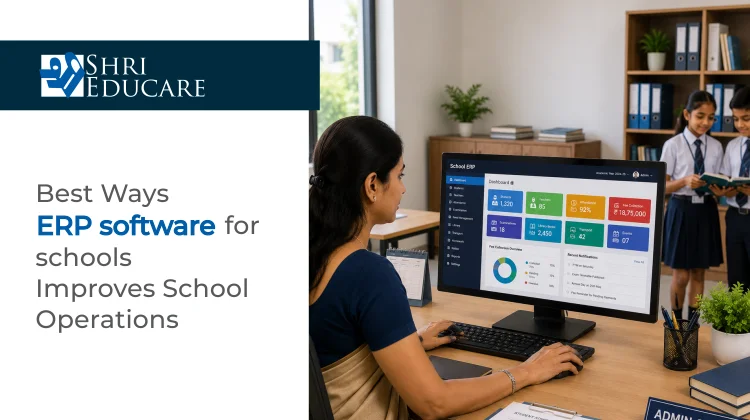
Best Ways ERP software for schools Improves School Operations

Running a school is not an easy job. Every day, many things happen at the same time. Teachers handle classes. Admin teams manage fees and records. Parents ask for updates. Students need support, safety and proper learning. When all this work is done manually, it can become slow and confusing. Papers get misplaced. Messages get delayed. Reports take time. This is where ERP software for schools can help in a very practical way. It brings many school tasks into one digital system. This makes daily work faster, cleaner and easier for everyone. What Is a School ERP System? A school ERP system is a digital platform that helps schools manage different tasks from one place. It can support: Explaining it in simple terms, ERP software for schools works like a smart control room for school operations. It keeps things organized and reduces daily pressure on the school team. Best Ways ERP software for schools Helps Schools Work Smarter  1. It Saves Time in Daily Work Schools have many small tasks that take a lot of time. Taking attendance, checking fee records, updating student details and preparing reports may look simple but they can eat up many hours. A school ERP system reduces this extra work. Teachers can mark attendance quickly. Admin staff can find records in seconds. Management can check reports without asking different departments again and again. This helps the whole school work in a smoother way. Instead of spending time on files and registers the team can focus on better student care and school improvement. 2. It Makes Parent Communication Easier Parents want regular updates about their child. They want to know about attendance, homework, exams, fees, activities and school notices. Manual communication can be slow. Sometimes a notice does not reach home. Sometimes calls are missed. Sometimes parents have to contact the school many times for one small update. ERP software for schools makes communication simple. Schools can send updates through the system. Parents can check important information on time. This helps them stay connected with their child’s school life. It also reduces pressure on the school office because fewer parents need to call for basic details. 3. It Helps Teachers Work Better Teachers already handle many responsibilities. They teach lessons, check notebooks, prepare tests, guide students and speak with parents. When teachers also have to manage too much paperwork, it becomes tiring. A school ERP system helps teachers by reducing repeated manual tasks. Teachers can: This does not replace teachers. It supports them. When teachers save time on paperwork they can give more attention to teaching and helping students. 4. It Improves Fee Management Fee management is one of the most important parts of school operations. But it can also become stressful if it is handled manually. There may be confusion about paid fees, pending fees, receipts, late payments and reminders. ERP software for schools makes this process clearer. The admin team can track payments easily. Parents can receive fee updates and reminders. Receipts can be generated faster. Pending amounts can be checked without going through long records. This creates more transparency between the school and parents. It also reduces mistakes in fee records, which is a big relief for the accounts team. 5. It Makes Admission Work Smoother Admission season can be very busy for schools. There are enquiries, calls, forms, documents, follow ups and parent meetings. If the process is not organized, schools may miss good leads or delay responses. A school ERP system helps manage admission work in a better way. It stores enquiry details, student information, document status and follow up notes in one place. The admission team can see which parent has been contacted and what step is pending. This makes the full process more professional. Parents also feel more confident when the school handles admission in a clear and smooth way. 6. It Keeps Student Data Organized Schools manage a lot of student data. This includes personal details, academic records, attendance, fee history, medical details and parent contact information. If this data is kept only in paper files, it becomes hard to manage. ERP software for schools helps keep student records organized and easy to find. Here is how it supports data management: School Task Manual Method ERP Method Attendance Registers and sheets Digital records Fee details Paper receipts Online tracking Results Manual mark entry Faster report cards Parent updates Calls and notices Instant updates Student records Files and folders One digital profile This kind of system makes information easier to use. It also helps school leaders make better decisions. 7. It Makes Exams and Results Easier Exam work needs careful planning. Schools have to prepare schedules, collect marks, calculate results and make report cards. Doing all this manually can take a lot of time. There is also a chance of human error. A school ERP system can make exam work more accurate and faster. Teachers can enter marks digitally. Reports can be created more easily. Parents can receive results in a proper format. This makes the exam process smoother for teachers, students, parents and the admin team. 8. It Supports Better Transport Management School transport needs proper tracking. Parents want to know that their children are safe. Schools need to manage routes, drivers, vehicles and pickup points. A digital ERP system can help schools keep transport records in order. It can support: This improves safety and daily coordination. Even small improvements in transport management can make a big difference in the school day. 9. It Helps School Leaders Make Better Decisions School leaders need clear information to make good decisions. They need to understand attendance, student strength, fee status, academic performance and staff workload. ERP software for schools gives useful reports that help management see what is happening. Instead of guessing, school leaders can look at real data. This helps them plan better, solve problems faster and improve school operations step by step. Conclusion A school works best when its systems are simple, clear and connected. From attendance

Best Ways ERP software for schools Improves School Operations Read More »

Investment in school franchise

What Makes Education Franchises a Smart Choice for New Entrepreneurs?

Starting a business can feel exciting and stressful at the same time. A new entrepreneur must choose the right idea, study the market, arrange funds, hire people and earn customer trust. Building everything from zero can take years. This is one reason education franchises have become an appealing choice for people who want to enter the education sector with better guidance. Education is not a passing trend. Parents will always look for reliable schools and learning centres for their children. A franchise gives entrepreneurs an existing structure while allowing them to build a trusted institution in their local area. Why Are Education Franchises a Smart Business Option for New Entrepreneurs? A Business Model That Has Already Been Tested One of the biggest worries for a new business owner is whether the idea will work. When everything is new, every decision becomes an experiment. Mistakes can cost time, money and energy. Most education franchises come with a business model that has already been tested in other locations. The entrepreneur receives guidance on setup, operations, teaching methods, staffing and admissions. Business risk still exists, of course but the owner does not have to walk into the dark without a map. A tested model can also make financial planning easier. The entrepreneur gets a clearer idea of the required space, staff, materials and operating costs. Support During the Setup Process Opening a school or learning centre involves much more than finding a building. The owner must think about classrooms, furniture, safety, technology, teaching material, staff and local rules. Reliable education franchises often support partners during the early stages. This support may include: This ready support can reduce confusion. It may also help the entrepreneur avoid common and expensive mistakes during the setup period. An Established Brand Can Build Parent Trust Parents are careful when choosing a school. They want to know whether the learning environment is safe the teachers are trained and the curriculum supports their child’s growth. A completely new name may take a long time to earn that confidence. By joining education franchises, entrepreneurs can work with a name that may already have a positive reputation. Brand recognition can make the first conversation with parents easier. However the local owner must still deliver quality. A recognised name may attract attention but good teaching and honest communication are what keep parents satisfied. Strong parent relationships can also lead to word of mouth promotion, which is highly valuable for a growing educational institution. Ready Curriculum and Teaching Resources Developing a complete curriculum requires time, research, subject knowledge and classroom testing. It must match the age of the students and support their academic, emotional, social and creative growth. Many education franchises provide prepared lesson plans, assessments, teacher guides, classroom activities and learning resources. This gives teachers a clear direction and creates a similar learning standard across different branches. The owner can focus more on leadership, parent relationships and the student experience instead of trying to build every lesson from the beginning. The curriculum may also be reviewed and updated regularly, which helps the institution stay relevant. Training for Teachers and Other Staff A strong curriculum will not bring good results unless teachers understand how to use it. Staff members also need to know how to manage admissions, records, parent questions, safety procedures and everyday school tasks. Established education franchises usually offer initial and regular training. Teachers may learn classroom methods, child engagement, lesson planning and assessment practices. Administrative teams may receive training in communication, admissions and school systems. Training helps everyone understand their roles. It also creates an organised environment where students and parents receive a consistent experience. Regular guidance can help staff improve their skills instead of feeling left on their own. Easier Marketing and Student Admissions Promoting a new school can be difficult. Entrepreneurs must reach local parents, explain the institution’s value and show how it is different from other options. Without a clear plan, advertising money can disappear quickly. Partners in education franchises may receive marketing templates, admission material, digital campaign ideas, brand guidelines and event support. These resources can make promotion easier and more professional. Local marketing still matters. Community events, parent meetings, social media updates, open houses and word of mouth recommendations can help the school build a strong presence in its area. A Clear System for Daily Operations A school manages many activities every day. Attendance, fees, timetables, lesson plans, staff schedules, transport, parent meetings and student records must all work together. The table below shows how a franchise model may differ from starting independently: Business Area Franchise Model Independent School Curriculum Prepared and tested Must be created from scratch Brand awareness Existing brand support Takes time to develop Teacher training Usually included Owner must arrange it Marketing Templates and guidance available Entire plan must be created Daily systems Standard processes provided Systems must be built independently Business support Ongoing expert guidance Limited outside support Clear systems reduce confusion and help the owner monitor school performance. They can also improve the experience of teachers, students and parents. A Chance to Build a Meaningful Business Many business owners want to earn well but they also want their work to create a positive impact. Education allows entrepreneurs to do both. Through education franchises, owners can create jobs, support teachers and provide structured learning to children in their communities. Watching students gain confidence and develop new skills can bring a strong sense of purpose. Still, education should never be treated as a quick money business. Student safety, teaching quality, responsible management and honest communication must remain the top priorities. Better Scope for Long Term Growth A well managed educational institution can continue to grow for many years. When parents are happy they often recommend the school to other families. This can build a strong local reputation and support steady admissions. Some franchise models allow entrepreneurs to expand into new locations, introduce more classes or add new learning programmes. The owner can begin with one centre, understand the system and then

What Makes Education Franchises a Smart Choice for New Entrepreneurs? Read More »

Academic success strategies

Why School Improvement Strategies Matter for Long Term Academic Success

Every school wants its students to learn well and build a strong future. However, good academic results do not happen by chance. Schools need clear goals, careful planning and regular action. This is where school improvement strategies become important. They help schools understand what is working, what needs attention and what steps can improve learning. School improvement is not limited to better marks. It also covers teaching quality, student behaviour, leadership, safety, communication and the overall learning environment. When these areas improve together, students receive a stronger and more balanced education. How School Improvement Strategies Support Long Term Academic Success Creating a Clear Direction for the School A school can only move forward when everyone understands where it is going. Teachers, school leaders, students and parents should know the main goals. Without clear direction, people may work hard but still move in different ways. Well planned school improvement strategies give everyone a common purpose. They help leaders set clear targets, such as improving reading skills, making lessons more interesting or supporting students who need extra help. Once the goal is clear, every person can understand their role. Instead of trying to fix everything at once, schools can choose the most important areas and work on them step by step. This makes the improvement process easier to manage and more likely to bring lasting results. Helping Teachers Improve Their Practice Teachers play a major role in student success. Even skilled teachers need support, fresh ideas and time to improve their methods. Training sessions, lesson reviews, group discussions and helpful feedback can make a real difference. Strong school improvement strategies make teacher development a regular activity rather than a one time event. For example, if students are struggling with basic maths, the school can arrange training, provide useful teaching material and allow teachers to share methods that have worked for them. This is not about finding faults in teachers. It is about giving them the tools and support they need. When teachers feel confident and valued, they teach with greater energy. Students notice this positive change and the classroom becomes a better place to learn. Using Student Needs to Guide Decisions Every student learns differently. Some understand ideas through reading, while others learn better through pictures, activities, examples or discussions. A few students may require emotional support, while others may need more practice or advanced tasks. School improvement strategies help schools understand and respond to these different needs. Schools can review more than exam marks. They can also look at: When schools understand what students truly need, they can make smarter choices. They may introduce reading support, change lesson plans, offer counselling or create useful clubs. These steps make learning more meaningful and help students feel supported. Building a Positive School Culture A healthy school culture affects both learning and behaviour. Students perform better when they feel safe, respected and included. Teachers also work more effectively when communication is open and teamwork is encouraged. Effective school improvement strategies pay attention to the everyday experience of people inside the school. Small actions can make a big difference. Clear rules, fair discipline, regular appreciation and respectful conversations help build trust. A positive culture also makes it easier to handle problems. Teachers and students become more willing to speak openly, share ideas and ask for help. Over time, everyone starts to feel responsible for school growth, not just the principal or management team. Improving Leadership and Accountability Good leadership gives improvement work the push it needs. School leaders must set priorities, guide teams, review progress and make changes when required. They also need to listen carefully to teachers, students and parents. Clear school improvement strategies help leaders turn large goals into practical actions. They can decide who will manage each task, when progress will be reviewed and how success will be measured. This prevents important plans from being forgotten. Accountability does not have to feel strict or stressful. It simply means checking whether the planned work is happening. When everyone knows their responsibilities, the school can act faster and solve small issues before they become serious problems. Strengthening Parent and Community Involvement Parents are important partners in a child’s education. They understand their children well and can support learning at home. Still, many schools contact parents only when a problem appears. This can create distance and confusion. School improvement strategies often include better communication with parents and the wider community. Schools can involve families through: When parents understand the school’s goals, they can support those goals at home. Community members can also offer useful knowledge, guidance, resources or practical experiences. Such involvement makes education feel more connected to everyday life. Supporting Long Term Progress Quick fixes may bring short term results but they rarely create deep change. A school may improve marks for one term through extra tests but those gains may disappear if teaching quality and student support remain the same. Sustainable school improvement strategies focus on steady progress. They include regular reviews, teacher development, realistic goals and strong leadership. Schools can check what is working, learn from mistakes and adjust their plans without losing direction. Long term progress also requires patience. Some changes may take months or even years to show full results. The key is to remain consistent. When improvement becomes part of daily school life, academic success becomes easier to maintain. Conclusion Academic success grows through many connected efforts. Clear goals, skilled teachers, student focused planning, positive culture, good leadership and parent support all play an important role. School improvement strategies bring these areas together and help schools grow in a practical, planned and lasting way. Schools seeking professional guidance can work with a School Consultant in India to make the process more focused and manageable. Shri Educare supports schools in creating strong systems that encourage better teaching, meaningful learning and long term academic success.

Why School Improvement Strategies Matter for Long Term Academic Success Read More »