Enquiry Form


Edit Template

Uncategorized

holistic development schools

How Schools Can Support holistic development in education

Education is not only about books, marks, exams and report cards. A child is not a machine that only needs information. A child also needs confidence, kindness, courage, discipline, creativity, health and the ability to think clearly. This is where holistic development in education becomes very important. A good school helps children grow in many ways. It builds the mind but it also supports the heart, body, values, habits and social skills. When this happens, students do not just become good learners. They become better human beings too. Understanding the Real Meaning of Holistic Growth Many people think school success means high marks. Of course, marks matter. They show progress in learning. But they are not the whole picture. A child may score well but still feel nervous, confused, lonely or afraid to speak. Another child may be creative and thoughtful but may need support in academics. That is why holistic development in education looks at the full child. It asks simple but deep questions. Is the child emotionally strong? Can the child work with others? Can the child solve problems? Does the child know how to express feelings? Is the child curious? Is the child healthy and active? When schools focus on these questions, learning becomes more meaningful. Children feel seen, not just tested. The Role of Schools in Supporting Holistic Development in Education Building Strong Academic Foundations Academic learning is still the base of school life. Reading, writing, maths, science, languages and general knowledge help children understand the world. But the way these subjects are taught matters a lot. Schools can make learning more useful by connecting lessons with real life. For example, maths can be taught through shopping, budgeting or measuring objects. Science can be connected with plants, weather, food and daily habits. Language learning can include stories, speaking activities and small writing tasks. This kind of learning makes students more active. They do not just memorise. They understand. And once a child understands something clearly, confidence starts growing naturally. Giving Space for Creativity Creativity is not only about painting or music. It is about thinking in fresh ways. It is about asking, “Can this be done differently?” Children need space to imagine, try, fail and try again. Schools can support holistic development in education by giving enough time for art, music, dance theatre, storytelling, craft and design based activities. These activities help children express thoughts that they may not say in normal classroom discussions. Some children speak through colours. Some speak through movement. Some speak through stories. A school that values creativity gives every child a way to shine. Helping Children Manage Emotions Children also carry stress, fear, anger, sadness and pressure. Sometimes they do not know how to explain these feelings. They may become quiet, restless, rude or distracted. Instead of only correcting behaviour, schools should try to understand what is behind it. Teachers can help by creating a safe classroom environment. Simple things work well. A kind tone, patient listening, calm rules and regular check ins can make a big difference. Children should feel that asking for help is normal. Emotional strength does not come in one day. It grows slowly, like a plant. Schools that support feelings help students become more balanced and self aware. Encouraging Physical Health and Movement A healthy body supports a healthy mind. Children need movement, games, sports, yoga, outdoor play and simple fitness habits. Sitting for long hours can make learning dull and tiring. Physical education should not be treated like a break from “real studies.” It is part of real education. Sports teach teamwork, discipline, patience and fair play. They also help children handle winning and losing with grace. This is another important part of holistic development in education because children learn through their bodies too. A child who runs, plays, stretches and moves often feels more alert and happy. Teaching Values Through Daily Actions Values cannot be taught only through moral science chapters. Children learn values by watching adults. They notice how teachers speak, how classmates are treated and how mistakes are handled. Schools can teach honesty, respect, kindness, responsibility and empathy through daily routines. For example, students can take turns helping in class, caring for plants, keeping spaces clean or supporting younger children. Small actions build strong values. Over time, children understand that good behaviour is not just about rules. It is about respect for self and others. Creating Strong Teacher Student Relationships A teacher can change the way a child sees learning. When a teacher believes in a student the student often starts believing in themselves too. This does not always need big speeches. Sometimes, a simple “You can do better and I am here to help” is enough. For holistic development in education, teachers need to know students beyond marks. They should notice interests, fears, learning styles and personal strengths. Some children learn fast through visuals. Some need more examples. Some need encouragement before they speak. When teachers understand these differences, classrooms become more inclusive and warm. Involving Parents in the Journey Schools and parents should work like partners. A child spends time in both places, so both sides must support the same growth. If school teaches discipline but home gives no routine the child may feel confused. If home values marks only and school values overall growth, again there may be pressure. Parent meetings should not only discuss marks. They should also talk about behaviour, friendships, interests, confidence, habits and emotional well being. This makes the child’s growth clearer. Parents can also support holistic development in education by allowing children to help at home, read books, play outside, ask questions and make small decisions. Making Classrooms More Inclusive Every child is different. Some children are loud. Some are quiet. Some learn quickly. Some need more time. Some are strong in sports, while others are strong in art, logic, language or leadership. A good school does not force every child into the same box. It gives different chances to grow. Group work,

How Schools Can Support holistic development in education Read More »

Best IB Curriculum School

How to Choose the Right IB Curriculum Schools in India for Your Child

Choosing the right school is one of the most important decisions for any parent. A school does much more than teach subjects. It shapes a child’s thinking, confidence, habits, values and view of the world. This is why many parents are now exploring IB curriculum schools in India for a more global and skill based learning experience. The International Baccalaureate, commonly known as IB is known for its inquiry based learning style. It encourages students to ask questions, understand ideas deeply, solve problems and connect learning with real life. However, choosing the right IB school requires careful thought. Every school may follow the same curriculum framework but the quality of teaching, environment, leadership and support can be very different. A Parent’s Guide to Choosing the Right IB Curriculum Schools in India Understand What the IB Curriculum Offers Before choosing a school, parents should first understand what makes the IB curriculum different. It is not only about textbooks, marks and exams. It focuses on how children learn, think, express and apply knowledge. Good IB curriculum schools in India usually focus on research, communication, creativity, international mindedness and independent learning. Students are encouraged to explore topics instead of only memorising answers. This helps them become more confident and aware learners. The IB approach also supports emotional and social growth. Children learn to work in groups, share ideas, respect different views and take responsibility for their learning. This kind of education can be useful for students who may study or work in a global environment later in life. Check the School’s IB Authorisation One of the first things to check is whether the school is officially authorised to offer the IB programme. A school should not only use the word “international” in its name. It should have proper approval to offer the IB curriculum. Parents should ask which IB programme the school offers. Some schools may offer the Primary Years Programme, some may offer the Middle Years Programme and others may offer the Diploma Programme. Some schools may offer more than one. Well established IB curriculum schools in India clearly share their authorisation details, programme structure and academic approach. This shows transparency and helps parents understand what their child will actually study. Look at the Teaching Quality The quality of teachers plays a major role in IB education. Since the IB method is inquiry based, teachers need strong training and a different teaching style. They should guide students instead of simply giving ready made answers. In strong IB curriculum schools in India, teachers act more like mentors. They help children ask better questions, discuss ideas, research topics and build their own understanding. This requires patience, subject knowledge and proper IB training. Parents can check whether teachers receive regular professional development. They can also observe how teachers interact with students during school visits. A warm, confident and well trained teaching team can make a big difference in a child’s learning journey. Review the Learning Environment A good IB school should have a learning environment that supports curiosity and exploration. Classrooms should not feel stiff or stressful. They should encourage discussion, activity, reading, thinking and teamwork. The right IB curriculum schools in India usually provide libraries, labs, activity areas, sports spaces, art rooms, technology access and flexible learning zones. These facilities help students learn beyond the four walls of a classroom. However, infrastructure alone is not enough. A school may have a beautiful campus but the real value lies in how those spaces are used. Parents should look at whether students are actively involved in projects, presentations, experiments and creative work. Focus on Holistic Development IB education gives importance to the overall growth of a child. This includes academics, sports, arts, communication, leadership, emotional balance and social responsibility. Good IB curriculum schools in India help students grow as complete individuals. They may offer activities such as music theatre, visual arts, debates, sports, community service, clubs and outdoor learning. These experiences help children discover their interests and build confidence. Holistic development is important because children need more than good marks to do well in life. They need problem solving skills, teamwork, empathy, discipline and the ability to express themselves clearly. Understand Assessment Methods Assessment in IB schools is different from the traditional exam only method. Students are assessed through projects, presentations, research work, written tasks, class participation and final evaluations. Parents should understand how the school tracks student progress. A good school should share regular feedback, not just report cards. Feedback should explain what the child is doing well and where improvement is needed. This system helps students understand learning as a process. It also reduces the pressure of one final exam deciding everything. Still the school should maintain academic seriousness and clear evaluation standards. Check Parent Communication Strong parent school communication is very important, especially in an IB environment. Parents should know how the school shares updates about learning, progress, activities, behaviour and future planning. Reliable IB curriculum schools in India usually have structured communication systems. These may include parent teacher meetings, digital platforms, progress reports, newsletters, workshops and counselling support. Good communication helps parents stay connected with the child’s development. It also helps the school and family work together when a child needs support. Consider Global Exposure and University Readiness Many parents choose IB because it is recognised by universities across the world. The Diploma Programme, in particular is known for preparing students for higher education. The right IB curriculum schools in India should support students with career guidance, university counselling, subject selection, profile building and academic planning. This becomes very important in senior classes. Students should also get exposure to global ideas through projects, international events, exchange opportunities, research work and community based learning. This helps them understand the world with a wider point of view. Evaluate the School Culture A school’s culture affects children every day. Parents should look for a school that feels safe, respectful, balanced and child friendly. The environment should not be too harsh or too casual. It

How to Choose the Right IB Curriculum Schools in India for Your Child Read More »

factor to choose school franchise

Top Things To Look For While Choosing The Best Preschool Franchise In India

Early childhood education plays an important role in a child’s learning journey. A preschool is the first formal learning space for many children. It helps them build language, social behaviour, motor skills, emotional strength and basic thinking skills. For this reason, choosing the best preschool franchise in India requires careful planning and proper understanding. A preschool franchise should not only offer a brand name. It should offer a complete education system, strong academic support, safe infrastructure guidelines, trained teachers and clear operational support. A good preschool model helps children learn in a happy and safe environment. It also helps franchise owners run the centre with confidence and structure. The preschool sector in India is growing because parents are becoming more aware of early education. However, every franchise model is not the same. The right choice depends on curriculum quality, training, safety, parent communication, business clarity and long term support. These factors help create a strong preschool that can serve both children and parents in a better way. Key Factors to Consider Before Choosing the Best Preschool Franchise in India 1. A Clear Early Learning Philosophy A strong preschool franchise should have a clear learning philosophy. Early childhood education is different from formal school education. Young children learn best through play, stories, music, movement, colours, group activities and simple real life experiences. The best preschool franchise in India should focus on age appropriate learning. It should support the child’s complete growth instead of only focusing on books, writing and memorisation. The learning method should help children become curious, confident, expressive and independent. A good early learning philosophy usually includes language development, emotional growth, social skills, basic problem solving, creativity, physical activity and self care habits. These areas help children prepare for future school life in a natural and balanced way. 2. Strong and Age Appropriate Curriculum Curriculum is one of the most important parts of a preschool franchise. It gives direction to teachers and structure to daily classroom activities. A weak curriculum can make learning confusing, repetitive or too difficult for young children. The best preschool franchise in India should offer a well planned curriculum for different age groups. The curriculum should include activities for nursery, pre nursery, kindergarten and early foundation years. It should also include storytelling, rhymes, art, music, games, sensory play, outdoor activities and basic life skills. A strong preschool curriculum should not create pressure on children. It should help them learn step by step. The content should be simple, joyful and connected with the child’s age and development level. This makes learning more meaningful and easier to understand. 3. Teacher Training and Academic Guidance Teachers play a very important role in preschool education. Small children need patient, caring and well trained teachers. Preschool teaching requires special understanding because children at this age learn through emotions, observation, repetition and active participation. The best preschool franchise in India should provide regular teacher training. Training should cover child psychology, classroom handling, activity planning, communication skills, safety practices, lesson delivery and behaviour management. Academic guidance is also important after the school starts. A good franchise should provide lesson plans, teaching material, classroom observation support, assessment formats and regular updates. This helps teachers maintain quality and follow the learning system properly. 4. Safe and Child Friendly Infrastructure Safety is one of the biggest factors in preschool education. Parents expect a preschool to be clean, secure and suitable for small children. The school space should be designed with child safety in mind. The best preschool franchise in India should give clear infrastructure guidelines. Classrooms should be bright, open and comfortable. Furniture should be child sized and safe. Floors should be clean and easy to maintain. Washrooms should be hygienic and suitable for young children. Play areas should have safe equipment and proper supervision. The infrastructure should also include secure entry and exit points, staff verification, emergency care systems, first aid support, CCTV guidelines and hygiene rules. These details help build trust among parents and create a safer environment for children. 5. Transparent Business Model A preschool franchise is also a business investment. Therefore, clear financial planning is necessary. The franchise model should explain the complete investment structure in a simple and transparent way. The best preschool franchise in India should provide clear information about franchise fees, setup cost, royalty, training cost, learning material cost, marketing support, operational expenses and expected business planning. There should be no hidden costs or unclear terms. A transparent model helps the investor understand the business properly before starting. It also reduces confusion during setup and operations. A good franchise partner should provide practical guidance instead of only making promises. 6. Marketing and Admission Support A preschool needs strong local visibility. Parents usually compare different options before selecting a preschool. They look at safety, teaching method, teacher quality, location, facilities and trust value. The best preschool franchise in India should support marketing and admissions. This support may include brand material, launch planning, social media guidance, admission counselling formats, local promotion ideas, parent enquiry handling and communication templates. Marketing support helps the preschool create awareness in the local area. It also helps the centre present its learning approach clearly to parents. A good admission system can improve parent confidence and make the enrolment process smoother. 7. Parent Communication System Parent communication is an important part of preschool management. Parents want regular updates about their child’s learning, activities, behaviour, food, health and progress. A proper communication system helps create trust between the school and parents. The best preschool franchise in India should offer a simple and effective parent communication process. This can include a parent app, school diary, activity updates, progress reports, parent teacher meetings, circulars, event updates and regular feedback. Clear communication helps parents stay connected with the school. It also helps teachers understand each child better. When parents and teachers work together the child receives better support at home and in school. 8. Daily Operations and Management Support Running a preschool requires proper daily management. Many franchise owners

Top Things To Look For While Choosing The Best Preschool Franchise In India Read More »

Play based learning school

What Are The Benefits of Play Based Learning For Kids

Play based learning is a simple and natural way of teaching young children. It allows children to learn while they play. This method focuses on real experiences instead of only books and memorising. The Benefits of Play Based Learning are wide and important for early child growth. It supports learning in a way that matches how children think and behave at a young age. Children do not learn the same way as adults. They need movement, fun and real actions. Play gives them this space. It helps them stay active and interested. It also reduces stress and pressure. This method is now used in many modern schools because it supports full development. It builds strong early habits for learning. Benefits of Play Based Learning for Children Makes Learning Easy and Natural Children learn better when they feel relaxed and interested. Play creates a comfortable space for learning. It removes pressure and fear. The Benefits of Play Based Learning include better focus and understanding. Children stay active during learning. They do not feel forced. This helps them learn faster and remember things for a longer time. Some simple ways this happens: This method helps children build a strong interest in learning from the start. Improves Social Skills Play often includes group activities. Children interact with others while playing. They learn how to talk, listen and respond. One of the key Benefits of Play Based Learning is the development of social skills. Children learn sharing, teamwork and respect. These skills are important for school and daily life. Children also learn: These basic skills help children adjust better in school and social environments. Supports Emotional Development Children express feelings during play. They show happiness, anger and excitement. This helps them understand emotions. The Benefits of Play Based Learning include emotional control and stability. Children learn how to handle small problems. They also become more confident in expressing themselves. Emotional growth through play includes: This helps children stay calm and balanced in different situations. Develops Creativity and Imagination Play gives children freedom to think. They can create stories, roles and ideas. The Benefits of Play Based Learning include improved imagination. Children think in different ways. This supports creative thinking and problem solving in the future. Creative play helps in: This type of thinking supports innovation and flexible learning later in life. Builds Thinking and Problem Solving Skills Many play activities involve challenges. Children solve problems while playing games or building things. The Benefits of Play Based Learning include better thinking ability. Children learn how to make decisions. They also understand cause and effect in a simple way. This helps children to: These skills are useful in both studies and daily life situations. Supports Physical Growth Physical activities are a part of play. Running, jumping and moving help body development. The Benefits of Play Based Learning include strong motor skills. Children improve balance and coordination. This supports overall physical health. Physical development includes: This is very important in early childhood, especially in today’s low activity routines. Builds Confidence and Independence Play allows children to make their own choices. They decide how to play and what to do. The Benefits of Play Based Learning include higher confidence. Children feel proud when they complete tasks. They also become more independent in their actions. Confidence building happens through: This helps children become strong and self dependent over time. Encourages Curiosity Children are naturally curious. Play gives them chances to explore and ask questions. The Benefits of Play Based Learning include increased curiosity. Children try new things. They develop interest in learning without pressure. Curiosity grows when children: This creates a strong habit of learning and discovery. Supports Early Academic Learning Play can include numbers, words and simple tasks. These activities support early education. The Benefits of Play Based Learning include better basic skills. Children improve in counting, reading and understanding concepts. They learn these skills in a simple and enjoyable way. Academic support through play includes: This builds a strong base for formal education. Strong Foundation for Future Learning All skills developed through play help in long term growth. Children become ready for formal education. The Benefits of Play Based Learning build a strong base for future learning. It supports mental, social and emotional development together. For those planning a Play School Franchise this approach is useful for building a strong early education system. It helps create a balanced learning model that supports every aspect of child development. Conclusion Play based learning is an effective method for early childhood education. The Benefits of Play Based Learning support complete development in children. It improves thinking, behaviour and learning ability. This method is now widely used in modern education systems. It is also becoming important in every School Franchise in India that focuses on quality education. A structured approach to play based learning is strongly supported by Shri Educare Limited, as it helps build a strong foundation for young learners and supports long term success in education. Frequently Asked Questions  1. What is play based learning? Play based learning is a method where children learn through play activities. They use games, toys and real actions to understand new things. It is simple and natural for young kids. 2. Why is play based learning important for kids? Play based learning is important because it helps in overall growth. It improves thinking, social skills and confidence. Children learn better when they enjoy the process. 3. At what age should play based learning start? Play based learning can start at a very early age. It is most useful for toddlers and preschool children. Early years are the best time for this type of learning. 4. Does play based learning help in studies? Yes, it helps in studies. Children learn basic skills like numbers, words and problem solving through play. It builds a strong base for future learning. 5. Is play based learning better than traditional learning? Play based learning is very helpful in early years. It makes learning easy and stress free.

What Are The Benefits of Play Based Learning For Kids Read More »

Premium school brand

Benefits of Discipline in School for Better Academic Performance

Discipline in school means following rules, maintaining routine and showing responsible behaviour. It is an important part of a student’s daily life. Discipline helps students stay organised and focused. The Benefits of Discipline in School support both academic performance and personal growth. When discipline is taught in a balanced way, it helps students build good habits. These habits stay with them for a long time. Discipline is not about strict control. It is about guiding students in the right direction.  It creates a safe and structured environment where learning becomes easy and clear. Students feel more secure when they understand what is expected from them. This helps them stay confident and steady in their learning. Importance of Discipline in School for Academic Success Builds a Strong Daily Routine A proper routine helps students manage their time well. Discipline allows students to follow a fixed schedule every day. The Benefits of Discipline in School include better time management and planning. Students know when to study and when to take breaks. They also learn how to balance different activities without confusion. Some key routine habits include: A strong routine improves consistency. It reduces delays and helps students stay prepared for daily tasks. This leads to better academic performance. Improves Focus and Concentration Discipline helps students avoid distractions. It allows them to focus on their studies. It creates a clear environment for learning. The Benefits of Discipline in School include better attention in class. Students listen carefully and understand lessons clearly. They stay present during learning time and avoid unnecessary interruptions. This leads to: Improved focus helps students complete tasks faster. It also supports deeper understanding of subjects and improves overall learning quality. Encourages Responsibility Discipline teaches students to take responsibility for their actions. It helps them become independent learners who do not depend on others for basic tasks. The Benefits of Discipline in School include a strong sense of responsibility. Students complete their work without delay and take ownership of their duties. They learn to: Responsibility builds maturity in students. It helps them handle academic pressure in a better way and prepares them for future challenges. Supports Positive Behaviour A disciplined environment creates good behaviour among students. It helps maintain respect and order in school. Students understand the importance of following rules. The Benefits of Discipline in School include better behaviour and respect for others. Students learn to act in a proper and polite way. This results in: A positive environment supports better learning outcomes. It helps students feel safe and comfortable while studying. Reduces Stress and Confusion Discipline helps students stay clear about their tasks. It reduces confusion and last minute pressure. Students know what they need to do and when they need to do it. The Benefits of Discipline in School include lower stress levels. Students feel more prepared and confident in their studies. This helps in: A calm and organised mind improves learning ability. It helps students stay focused even during exams and important tasks. Builds Self Control and Confidence Discipline teaches students to control their actions and behaviour. It helps them stay calm in different situations and avoid negative habits. The Benefits of Discipline in School include improved self control and confidence. Students believe in their abilities and stay positive. They develop: Confidence helps students face academic challenges with ease. It also supports better performance in both school and personal life. Improves Academic Performance Discipline directly affects study habits and results. Students perform better when they follow a structured routine and stay focused. The Benefits of Discipline in School include improved academic performance. Students complete tasks on time and understand topics clearly. This leads to: Discipline creates a strong base for success. It helps students stay prepared and perform well in all academic areas. Prepares Students for Future Life Discipline helps students develop important life skills. These skills are useful beyond school education. It prepares them for higher studies and careers. The Benefits of Discipline in School include long term growth and success. Students learn how to manage time and responsibilities effectively. Important life skills include: These skills help students succeed in different areas of life. They become more responsible and capable individuals. Helps in Choosing the Right School Discipline is an important factor when selecting a school. A well disciplined school provides a better learning environment and clear structure. While Choosing Best School for Child, parents should consider how discipline is maintained. A balanced system supports both learning and development. Parents can check: A good school focuses on discipline without creating pressure. It helps children grow in a healthy and structured way. Conclusion Discipline in school is essential for student development. The Benefits of Discipline in School include better focus, improved behaviour and strong academic performance. It helps students build habits that support learning and growth. This approach is widely used in modern education systems. It is also an important part of every School Franchise in India that focuses on quality education and long term success. Shri Educare Limited helps students achieve better results and build a strong future with confidence and stability. Frequently Asked Questions  1. What is discipline in school? Discipline in school means following rules and maintaining good behaviour. It includes being on time, completing work and respecting teachers and classmates. It helps students stay organised. 2. Why is discipline important for students? Discipline is important because it helps students stay focused and responsible. It improves study habits and behaviour. It also supports better academic performance and personal growth. 3. How does discipline improve academic performance? Discipline helps students manage time and complete tasks on time. It improves focus in class. This leads to better understanding of subjects and higher marks in exams. 4. Can discipline reduce stress in students? Yes, discipline helps reduce stress. When students follow a routine they feel more prepared. They do not rush at the last moment. This keeps their mind calm and clear. 5. How can schools build discipline in students? Schools can build discipline by setting

Benefits of Discipline in School for Better Academic Performance Read More »

Benefits of discipline in school

What Makes a School Stand Out as a Premium School Brand Today

The education system is changing fast. Parents now expect more from schools. They want strong learning, safe spaces, and full development for their children. This is where a Premium School Brand becomes important. It is not only about high fees or large buildings. It is about quality, trust, and proper guidance. A Premium School Brand focuses on every part of a child’s growth. It builds a strong base for both studies and life skills. Many factors together help a school stand out and gain this position. It creates a system where learning is clear and structured. It also builds confidence in parents that their child is in the right place for future success. Key Factors That Make a School a Premium School Brand Strong Academic System A clear and structured academic system is very important. It helps students understand subjects in a simple and organised way. A Premium School Brand focuses on concept learning instead of only marks. It ensures students learn step by step and build strong basics in every subject. Important academic features include: A strong academic system improves learning quality. It helps students stay confident and prepared for exams. It also supports long-term academic success. Qualified and Trained Teachers Teachers are the backbone of a school. They guide students and support their learning process daily. A Premium School Brand always has trained and experienced teachers. They understand different learning needs and adjust their teaching methods. Good teachers provide: Skilled teachers improve both learning and behaviour. They create a positive classroom environment where students feel comfortable and motivated to learn. Focus on Overall Development Education is not limited to books. Students need growth in many areas for a balanced life. A Premium School Brand gives equal importance to studies and other activities. It helps students develop multiple skills. Areas of development include: This balanced approach prepares students for real life situations. It helps them become confident and capable individuals. Safe and Clean Infrastructure A good school must provide a safe and clean environment. It is important for both parents and students to feel secure. A Premium School Brand maintains proper hygiene and safety at all times. It ensures a healthy space for learning. Important infrastructure features include: A safe environment improves student comfort. It also supports better focus and learning without fear or distraction. Use of Modern Technology Technology is now a part of education. It helps improve teaching methods and learning experiences. A Premium School Brand uses digital tools to make learning more interactive and simple. It supports both teachers and students. Technology support includes: Technology helps students understand topics better. It also keeps them updated with modern learning methods and tools. Strong Discipline and Values Discipline is important for student growth. It helps students stay organised and focused in daily activities. A Premium School Brand builds strong values along with discipline. It teaches students to follow rules and respect others. Value-based learning includes: These values help students become responsible individuals. They also support better behaviour and long-term success. Parent Communication and Support Parents are an important part of a child’s education. Schools should maintain clear communication with them. A Premium School Brand ensures regular updates and strong interaction with parents. It builds trust and transparency. Parent support includes: This connection helps in better understanding of student progress. It also supports overall development at home and school. Strong Leadership and Vision A school needs proper planning and direction. Leadership plays an important role in maintaining quality and growth. A Premium School Brand is guided by experienced management. It focuses on long-term goals and continuous improvement. Strong leadership ensures: Good leadership helps in maintaining consistency. It ensures that all systems work properly and support student growth. Consistent Quality and Reputation A school’s reputation depends on its performance over time. Consistency is very important for long-term success. A Premium School Brand maintains quality in all areas. It focuses on delivering the same standard every time. Consistency includes: A strong reputation builds trust among parents. It also helps the school grow and attract more students. Conclusion A school becomes successful when it focuses on quality in every area. A Premium School Brand is built through strong academics, skilled teachers, safe infrastructure, and clear values. It supports complete development of students. Today, parents look for schools that provide both learning and life skills. This is why such schools are growing in demand. They are also becoming an important part of the Best School Franchise in India models that focus on quality education and student growth. Shri Educare helps to create schools that stand out and provide long-term value to students and society.

What Makes a School Stand Out as a Premium School Brand Today Read More »

Pre School Franchise in India

What Affects the Cost of Opening a Preschool Franchise in India

Starting a preschool franchise requires proper planning and investment. It is a growing business in India because demand for early education is increasing every year. Although the Cost of Opening a Preschool Franchise is not the same for everyone. It depends on different factors. These factors include location, space, staff and brand selection. Understanding these points helps in better planning. It also helps in avoiding unnecessary expenses. A clear idea of cost is important before starting. It helps investors set a proper budget. It also reduces financial risk and supports smooth business setup from the beginning. Factors That Influence the Cost of Opening a Preschool Franchise in India Location and City Type The location of the preschool plays an important role in total cost. Metro cities usually have higher costs than small towns and developing areas. The Cost of Opening a Preschool Franchise increases in areas where rent and property prices are high. A good location also needs better infrastructure and visibility for parents and children. Key location factors include: A prime location may cost more but it can also attract more admissions. A well chosen location supports long term business growth and stability. Space and Infrastructure Preschools need a safe and well planned environment. Space should be suitable for children and allow easy movement and activities. The Cost of Opening a Preschool Franchise depends on the size and design of the infrastructure. Larger spaces require more investment in construction and setup. Important infrastructure needs include: Good infrastructure builds trust among parents. It also supports better teaching and learning experiences for children. Interior Setup and Learning Materials Preschool interiors should be colourful, safe and engaging. They should support activity based learning for children. The Cost of Opening a Preschool Franchise includes expenses on furniture, toys and learning materials. Quality items are important for safety and long term use. Common interior costs include: A well designed space improves attention and comfort. It also helps children feel happy and safe in the learning environment. Franchise Brand and Fees The brand selected for the franchise affects the total cost. Well known brands usually charge higher fees because they provide better support and systems. The Cost of Opening a Preschool Franchise includes one time franchise fees and sometimes recurring charges. These fees cover training, curriculum and branding. Typical brand related costs include: A strong brand helps in building trust quickly. It also improves admission rates and business credibility. Staff Hiring and Training Qualified staff is important for running a preschool. Teachers and helpers should be trained and experienced in handling children. The Cost of Opening a Preschool Franchise includes salaries and training expenses. Skilled staff improves learning quality and safety. Staff related costs include: Good staff ensures proper care and guidance. It also improves the overall reputation of the preschool. Licensing and Legal Requirements Proper permissions are required to start a preschool. Legal processes must be completed before operations begin. The Cost of Opening a Preschool Franchise includes charges for registration and approvals. These costs may differ by state and local rules. Legal requirements include: Following legal steps ensures smooth operation. It also protects the business from future legal issues and penalties. Marketing and Promotion Marketing is necessary to attract parents and build awareness. A new preschool needs visibility in the local area to gain admissions. The Cost of Opening a Preschool Franchise includes spending on marketing activities. Proper promotion helps in building trust and reaching the right audience. Common marketing methods include: Effective marketing supports steady growth. It also helps in building a strong brand presence in the area. Technology and Management Systems Modern preschools use technology for better management and communication. It helps in handling daily operations smoothly. The Cost of Opening a Preschool Franchise may include investment in software and digital tools. These systems improve efficiency and record management. Technology costs include: Technology makes operations easier. It also improves communication between school and parents. Ongoing Operational Costs After setup, regular expenses continue every month. These costs must be planned in advance for smooth operations. The Cost of Opening a Preschool Franchise also includes operational expenses. These are necessary for daily functioning of the preschool. Ongoing costs include: Proper cost management helps in maintaining financial stability. It also supports long term business success. Understanding the Total Investment The total investment depends on all these factors combined. Careful planning is required before starting a preschool franchise. The Cost of Opening a Preschool Franchise can vary from low to high based on location, brand and setup choices. It is important to select options based on budget and goals. For anyone considering a Pre School Franchise in India, it is important to understand all cost elements clearly. This helps in making informed decisions. It also supports better financial planning and reduces risk. Conclusion Opening a preschool franchise requires proper planning and financial understanding. The Cost of Opening a Preschool Franchise depends on multiple factors such as location, infrastructure, staff and brand selection. Each factor plays a role in the overall investment. This model is becoming popular in the education sector. It is also an important part of every School Franchise in India that focuses on early learning and child development. Shri Educare Limited helps create quality learning environments and ensures long term success in education.

What Affects the Cost of Opening a Preschool Franchise in India Read More »

AI in Classroom for Students

Benefits of AI in Classroom for Students: A Simple Guide

Education is changing with the use of technology. Schools are now using smart systems to improve learning. One of the important changes is the use of AI in Classroom for Students. AI helps students learn in a simple and structured way. It supports teachers and improves the overall classroom process. Many schools are adopting AI in Classroom for Students to make learning more clear, organized and effective. It also helps students feel more confident in their studies. Learning becomes less confusing and more guided. Students can follow a proper path while studying. This change is slowly becoming a common part of modern classrooms across many schools. Key Benefits of AI in Classroom for Students Explained Learning at an Individual Pace Every student has a different learning speed. Some students understand quickly, while others need more time. With AI in Classroom for Students, lessons are adjusted based on the student’s pace. The system gives more practice where needed. It also moves faster when a student performs well. This helps each student learn without pressure. It ensures that no student is left behind. It also prevents fast learners from feeling bored. Students can repeat topics as many times as needed. They do not feel rushed. This builds better confidence. Over time, students improve at their own speed and feel more comfortable with learning. Clear Understanding of Concepts Many students face difficulty in understanding certain topics. This can affect their confidence and performance. AI in Classroom for Students helps by explaining topics in multiple ways. It can provide examples, simple steps and visual support. If one explanation is not clear, another method is provided. This improves understanding. Students can also practice similar questions to strengthen their learning. This repeated practice helps them remember better. Over time they develop a clear idea of the subject and perform better in tests and daily class work. Immediate Doubt Solving Students often have questions during study time. In traditional classrooms there can be delays in getting answers. With AI in Classroom for Students, students can get instant help. The system answers questions quickly and clearly. This reduces confusion. It also saves time. Students can ask questions anytime without hesitation. They do not need to wait for the next class. This continuous support helps them stay on track and complete their learning without gaps or delays. Increased Engagement in Learning Students may lose interest during long or repetitive lessons. This can affect their attention and performance. AI in Classroom for Students uses interactive methods such as quizzes, visuals and simple activities. These methods keep students engaged. When students stay interested they learn better. They also enjoy the learning process more. Small activities and tasks keep their mind active. This improves focus. Over time, students start showing more interest in studies and become more involved in classroom activities. Support for Teachers Teachers manage many tasks in a classroom. These include teaching, checking work and tracking student progress. AI in Classroom for Students supports teachers by handling routine tasks. It can check assignments and provide performance reports. This saves time for teachers. Teachers can use this extra time to plan better lessons. They can also give more attention to students who need help. This improves teaching quality and creates a better and more supportive classroom environment for everyone. Development of Study Discipline Good study habits are important for long term success. Many students find it difficult to stay consistent. With AI in Classroom for Students, students receive regular reminders and structured plans. The system tracks their progress. Students understand their strengths and weak areas. This helps them build a daily routine. They learn how to manage their time properly. Over time they become more disciplined. This habit stays with them and helps in future studies and overall personal growth. Preparation for Future Skills Technology is an important part of modern life. Students need to understand how to use it effectively. AI in Classroom for Students helps students become familiar with smart tools. It improves their digital understanding. Students learn how to use technology in a productive way. They also develop problem solving skills. They learn how to find answers and use tools correctly. This prepares them for higher education and future careers where technology plays a very important role in daily work. Reduction in Study Stress Students often face pressure due to exams and syllabus load. This can affect their mental well being. AI in Classroom for Students helps by breaking lessons into smaller parts. It provides clear steps and guidance. Students can track their improvement. This gives them a sense of control. They understand their progress and feel less confused. Learning becomes more simple and planned. This reduces fear and helps students stay calm during exams and regular study time. Conclusion The use of AI in education is increasing in a steady manner. It is improving the way students learn and understand topics. AI in Classroom for Students supports personalized learning, quick doubt solving and better engagement. It also helps teachers manage classrooms more effectively. With the right use of AI in Classroom for Students, schools can create a better and more supportive learning system. This approach is being adopted by progressive education groups such as Shri Educare to improve student learning and overall academic growth.

Benefits of AI in Classroom for Students: A Simple Guide Read More »

Importance of Sports in a Child’s Life

Why Every Parent Should Understand the Importance of Sports in a Child’s Life

Every parent wants their child to grow strong, smart and confident. Most parents give full attention to studies. They check homework, test scores and school results. Academic success is important. However, growth is not complete without physical activity. Parents must understand the Importance of Sports in a Child’s Life. Sports help children grow in body, mind and character. They support healthy development in a simple and natural way. Sports Improve Physical Health One clear reason to understand the Importance of Sports in a Child’s Life is physical health. Children need daily movement. Sitting for long hours can make the body weak. Sports help children run, jump, stretch and stay active. This improves muscle strength and stamina. Regular play also supports strong bones and better immunity. Active children sleep better at night. Good sleep helps them stay fresh and focused during school hours. Healthy bodies create healthy minds. Sports Help the Brain Work Better The Importance of Sports in a Child’s Life is not only about physical strength. Sports also improve brain function. When children play games they think fast. They follow rules and make quick decisions. This improves focus and attention. After physical activity, children can sit calmly in class. They understand lessons more clearly. Sports support learning in a simple but powerful way. Sports Build Confidence Confidence is very important for every child. The Importance of Sports in a Child’s Life can be seen in how children feel about themselves. When children take part in games they learn to believe in their abilities. Winning gives them joy. Losing teaches them patience. Both experiences are valuable. Step by step, children become more confident. This confidence helps in school, public speaking and daily life. Sports Teach Discipline Discipline is a strong life skill. The Importance of Sports in a Child’s Life includes learning discipline through regular practice. Sports follow rules and schedules. Children learn to reach on time and follow instructions. They understand that practice is necessary for improvement. This habit of discipline helps children in studies and future careers. Sports Improve Social Skills Children need good social skills to grow into responsible adults. The Importance of Sports in a Child’s Life includes teamwork and cooperation. In team games, children work together. They communicate and support each other. They learn to respect others. Sports reduce shyness. Children become comfortable speaking and interacting with others. Strong social skills improve relationships. Sports Reduce Stress Children also feel stress due to exams and expectations. The Importance of Sports in a Child’s Life includes emotional balance. Playing outdoors helps children relax. Physical movement reduces tension. It improves mood and creates positive energy. Children who play regularly are often happier and calmer. They handle challenges in a better way. Early Sports Education Is Important Parents should understand the Importance of Sports in a Child’s Life from an early age. When children start sports early they develop healthy habits. Many parents choose the Best Kindergarten School that includes sports and play in daily learning. Early exposure improves coordination and balance. Children who play from a young age are more likely to stay active in later years. Sports Build Strong Character The Importance of Sports in a Child’s Life also includes character building. Sports teach honesty, fairness and respect. Children learn to accept success and failure. They learn that effort brings improvement. These lessons help them face life with courage. Sports prepare children for real world situations. They build strength not only in the body but also in personality. Balanced Growth Is Necessary Education should focus on overall development. The Importance of Sports in a Child’s Life supports balanced growth. Sports improve health, focus, discipline, confidence and teamwork. These qualities are important for long term success. Parents should encourage daily physical activity. Even simple games and outdoor play are enough. Regular participation makes a difference. Conclusion Sports are not extra activities. They are necessary for complete development. Every parent should understand the Importance of Sports in a Child’s Life and support regular physical activity. When choosing the right institution or exploring options such as a School Franchise in India, parents and educators should look for systems that value both academics and sports.  Shri Educare is guided by strong educational values. We promote balanced learning where sports and studies work together for the healthy growth of every child.

Why Every Parent Should Understand the Importance of Sports in a Child’s Life Read More »

Impact of Reading on Cognitive Growth

How Reading Helps Children Learn Better and Impact of Reading on Cognitive Growth?

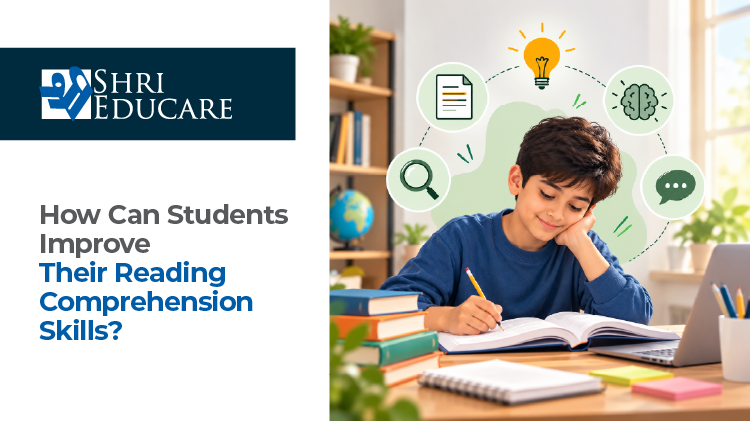
Reading is one of the most important habits for children. It supports learning in a simple and powerful way. When children read every day their brain becomes active and strong. They understand ideas better. They learn faster. They remember things more clearly. This clearly shows the Impact of Reading on Cognitive Growth. Reading is not only about storybooks. It is about building the mind step by step. A child who reads regularly develops strong thinking skills. This habit helps in school and in daily life. How Reading Supports Better Learning in Children and the Impact of Reading on Cognitive Growth? Reading Makes the Brain Strong The brain grows stronger when it is used often. Reading uses many parts of the brain at the same time. Children look at words. They understand meaning. They connect ideas. All these actions make brain connections stronger. This is the clear Impact of Reading on Cognitive Growth. When children read daily their brain becomes more active. They think faster and understand lessons better. Strong brain activity supports long term learning and academic success. Reading Improves Language Skills Language is very important for education. Reading helps children learn new words. It also teaches them how to form correct sentences. They slowly learn grammar by reading again and again. A strong vocabulary helps children speak clearly. It also helps them write better answers in school. This improvement shows the real Impact of Reading on Cognitive Growth. When children understand language well they understand all subjects better. Reading Builds Better Memory Memory is needed for learning. When children read stories they remember characters, events and details. They remember what happened first and what happened later. This practice improves memory power. Good memory helps in every subject. This is another strong example of the Impact of Reading on Cognitive Growth. Children who read often can remember lessons, instructions and facts more easily. This improves performance in exams. Reading Improves Concentration Reading needs attention. A child must stay focused to understand a story or lesson. Regular reading improves attention span slowly. Better focus helps children listen carefully in class. It also helps them complete homework correctly. This steady improvement shows the strong Impact of Reading on Cognitive Growth. Children with good concentration make fewer mistakes and learn faster. Reading Develops Thinking Skills Stories teach children about problems and solutions. They learn about cause and effect. They understand why events happen. This improves logical thinking. Logical thinking is very important for maths and science. This benefit clearly shows the Impact of Reading on Cognitive Growth. Children who think clearly can solve problems step by step. They make better decisions. Reading Increases Imagination Books help children imagine new places and people. They picture scenes in their mind. This builds creativity. Creative thinking is helpful in writing, art and problem solving. This creative growth is also part of the Impact of Reading on Cognitive Growth. Children who imagine freely develop new ideas. Creativity supports overall mental growth. Reading Supports Emotional Growth Stories include many emotions such as happiness, fear and courage. Children learn about these feelings while reading. This improves emotional understanding. Emotional balance is important for mental growth. This shows the deeper Impact of Reading on Cognitive Growth. Children who understand emotions behave calmly. They build better relationships with others. Reading Encourages Independent Learning Children who read well can study on their own. They do not depend fully on others for learning. They explore books and find answers independently. This builds confidence and self discipline. This independence clearly reflects the long term Impact of Reading on Cognitive Growth. Independent learners perform better in higher classes and future studies. Building a Daily Reading Habit A daily reading habit should start early. Parents and teachers should provide simple and interesting books. A fixed reading time every day helps children build discipline. Even twenty minutes daily is useful. Consistency brings clear results. Early reading strengthens the Impact of Reading on Cognitive Growth. A quiet and supportive environment helps children enjoy reading. The Role of Schools Schools must promote reading regularly. Libraries should be organised and easy to use. Teachers should guide students to select age appropriate books. Reading activities such as storytelling and discussions increase interest. Structured reading programs strengthen the Impact of Reading on Cognitive Growth in a balanced way. When both home and school support reading, children show steady improvement. Conclusion Reading is a strong foundation for learning. It improves language, memory, focus, imagination and thinking skills. These skills help children succeed in every subject. The lasting impact of Reading on Cognitive Growth prepares children for future challenges. Shri Educare understands the importance of reading in overall child development. Strong reading habits support holistic growth and Skill Development for Students, which prepares children for lifelong success.

How Reading Helps Children Learn Better and Impact of Reading on Cognitive Growth? Read More »