


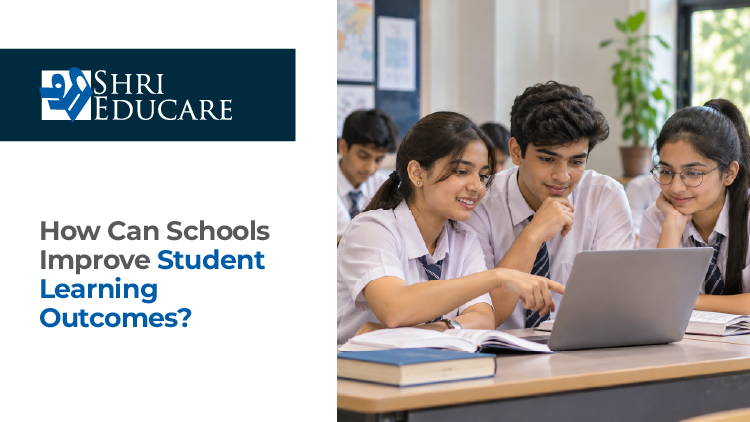
Every child learns in a different way. Some understand a lesson quickly, while others need more time, practice or a new example.
Schools can improve student learning outcomes when teaching is clear, support is timely and children feel comfortable asking questions.
There are many strategies to improve student performance but they do not always need to be complicated. Simple lessons, useful feedback, practical tasks and regular support can make learning much easier for students.
Simple Ways Schools Can Improve Student Learning
Set Clear Goals for Every Lesson
Students learn better when they know what they are expected to understand.
Schools can improve student learning outcomes by keeping learning goals short and easy to understand.
One of the easiest strategies to improve student performance is to break a big topic into smaller parts. This makes the lesson feel less difficult and helps students follow each step.
Keep Teaching Simple and Easy to Follow
A lesson should not feel confusing. Teachers can use stories, pictures, examples, short activities and real life situations to explain difficult ideas.
Clear teaching supports student learning outcomes because students get a better chance to understand the topic before they are asked to remember it.
Among the useful strategies to improve student performance, changing the way a topic is explained can help a lot. One student may understand through a picture, while another may need a simple example.
Give Feedback That Students Can Use
Feedback should help students understand what they did well and what they need to improve.
Regular feedback can strengthen student learning outcomes because children can correct small mistakes before those mistakes become a bigger problem.
One of the practical strategies to improve student performance is to give feedback soon after an activity.
A short and clear comment can guide the student without making them feel worried or discouraged.
Make Learning More Practical
Children often understand a lesson better when they can use what they learn. A science experiment, maths activity, project, role play or group task can make a topic easier to remember.
Practical work can improve student learning outcomes because students connect classroom ideas with real situations.
It is also one of the helpful strategies to improve student performance because children take part in the lesson instead of only listening.
Support Different Learning Needs
Not every child learns at the same speed. Some students may need more practice, while others may be ready for a harder task.
Schools can improve student learning outcomes when teachers notice these differences and give the right support. Small group help, extra examples or a little more practice can make a real difference.
Good strategies to improve student performance should focus on progress, not constant comparison.
Create a Positive Classroom
Children learn better when they feel safe, respected and free to ask questions. Fear of making mistakes can stop students from taking part.
A positive classroom can support better learning because students are more willing to speak, try and learn from errors.
One of the most important strategies to improve student performance is to make mistakes feel normal.
Encourage Reading and Discussion
Reading, speaking and listening are useful in almost every subject. Students should get regular chances to read, explain ideas, ask questions and listen to different views.
These habits can improve student learning outcomes because children learn how to understand information and explain it in their own words.
Simple strategies to improve student performance can include short reading tasks, class discussions, group talks and student presentations.
Use Assessment to Improve Learning
Tests can be useful but they should not be the only way to understand a child’s progress. Teachers can also use classwork, quizzes, projects, discussions and observation.
These checks can improve learning because they show where students are doing well and where more help is needed.
Regular assessment also helps teachers notice small learning gaps before they become harder to fix later.
Work Together With Parents
Parents and schools can support children better when they communicate clearly. Parents should know how their child is doing, where they are improving and where they may need help.
Schools can share simple updates, while parents can support good routines at home. A calm place to study, regular reading, enough sleep and gentle encouragement can all help.
Help Students Take Responsibility
Students should slowly learn to manage their own work, ask for help and set small goals. These habits can make them more independent over time.
Teachers can ask students to think about what they understood, what felt difficult and what they want to improve next.
This also helps children become more aware of their own learning and progress.
Conclusion
Improving student learning outcomes is not about giving more homework or making every test harder.
It is about clear teaching, useful feedback, practical work, a positive classroom and support that matches each child’s needs.
The best strategies to improve student performance help children understand, practise, ask questions and grow at a steady pace.
This also connects well with the Constructivist Approach to Learning, where students build understanding through experience and active thinking.
Shri Educare can support this kind of learning by creating classrooms where children explore ideas, learn from mistakes and become more confident over time.