Enquiry Form


Edit Template

Shrieducare.admin

training program for teachers

Important Skills Teachers Gain from CBSE Teacher Training

Teaching is not only about explaining lessons from a book. A good teacher also understands students, plans better classes, handles different learning needs and creates a positive classroom. Today, classrooms are changing fast. Students ask more questions, parents expect regular updates and schools want better learning results. This is where CBSE teacher training helps teachers grow in the right way. It gives teachers better methods, fresh ideas and practical skills. More than anything, it helps them feel confident in the classroom. When teachers improve, students also learn better. Key Skills Teachers Develop Through CBSE Teacher Training Better Lesson Planning Skills A strong class starts with a good lesson plan. Without planning, even a simple topic can become confusing for students. Through CBSE teacher training, teachers learn how to plan lessons step by step. They understand how to start a topic, explain the main idea, add activities, ask questions and check if students have understood. A good lesson plan helps teachers: When planning is strong, teaching becomes smoother. Students also feel less lost because the class has a clear flow. Stronger Classroom Management Every classroom has different types of students. Some are quiet. Some are very active. Some learn quickly, while some need more support. Managing all students with patience is a real skill. CBSE teacher training gives teachers useful ways to manage the classroom better. Teachers learn how to create rules, keep students focused, handle small disruptions and build respect in class. Good classroom management does not mean being strict all the time. It means creating a calm space where students know what is expected from them. When the class is well managed, teachers can teach better and students can learn without too many distractions. Improved Communication Skills Teachers speak with students, parents, school leaders and other teachers. So, communication plays a big role in school life. One strong part of CBSE teacher training is helping teachers communicate in a clear and simple way. Teachers learn how to explain ideas better, give feedback politely and speak with parents in a useful manner. Good communication helps in many ways: A teacher who communicates well can build stronger trust with students and parents. Better Understanding of Student Needs Every child is different. Some students understand through reading. Some learn through pictures. Some need hands on activities. Some may need extra time. CBSE teacher training also helps teachers understand these different learning needs. It teaches them to notice learning gaps and support students in a kind way. This is very important because one teaching style may not work for everyone. Teachers learn to use: When teachers understand students better, learning becomes more inclusive and comfortable. Skills for Activity Based Learning Students learn better when they are involved in the lesson. Long lectures can make them bored, especially in younger classes. Activity based learning keeps the classroom lively. It allows students to think, speak, ask, create and participate. CBSE teacher training makes teachers more comfortable with activity based teaching. They learn how to use small games, projects, group discussions, role plays and practical examples. Here is how activity based learning supports students: Teaching Method How It Helps Students Group discussion Builds speaking and listening skills Role play Makes topics easier to understand Projects Improves creativity and research skills Quizzes Helps with quick revision Storytelling Makes learning more interesting These methods make learning more fun and meaningful. Students remember things better when they take part in the process. Better Assessment and Feedback Skills Tests and exams are important but they are not the only way to understand student progress. Teachers need to know how students are learning throughout the year. They should be able to spot weak areas early and guide students before the problem becomes bigger. CBSE teacher training helps teachers read student progress more clearly. They learn how to use class tests oral questions, worksheets, assignments and observations. Good feedback should not make students feel scared. It should help them improve. For example, instead of saying, “This is wrong,” a teacher can say, “You are close but try this step again.” This small change can improve confidence. Digital Teaching Skills Technology is now a normal part of education. Smart boards, online classes, digital worksheets, videos and school apps are common in many schools. Teachers do not need to become tech experts but they should know how to use simple digital tools. With CBSE teacher training, teachers learn how to use technology in a useful way. They understand how to add videos, presentations, quizzes and digital content to make lessons easier. Digital tools can help teachers: Technology works best when it supports teaching, not when it replaces the teacher. Confidence in Handling New Education Trends Education keeps changing. New policies, new teaching styles and new student needs come up from time to time. Teachers who continue learning are better prepared for these changes. Training helps teachers stay updated and open minded. It also gives them the confidence to try new methods without fear. A confident teacher brings positive energy to the classroom. Students can feel that energy. They become more active, more curious and more ready to learn. Stronger Emotional Connection With Students A good teacher does not only teach subjects. A good teacher also understands feelings. Many students face pressure, fear, low confidence or difficulty in expressing themselves. Teachers who can notice these signs can support students better. Training helps teachers become more sensitive and patient. They learn how to listen, encourage and guide students with care. A kind word from a teacher can make a big difference in a child’s day. Sometimes, that small support helps a student believe in themselves again. Conclusion Teachers shape the learning journey of every child. When they receive the right support their teaching becomes clearer, kinder and more effective. CBSE teacher training can help teachers improve lesson planning, classroom management, communication, assessment, digital skills and student support. These skills create better classrooms and stronger learning outcomes. Shri Educare supports schools with thoughtful guidance and teacher

Important Skills Teachers Gain from CBSE Teacher Training Read More »
school improvement strategies

Effective school improvement strategies for Better Learning Outcomes

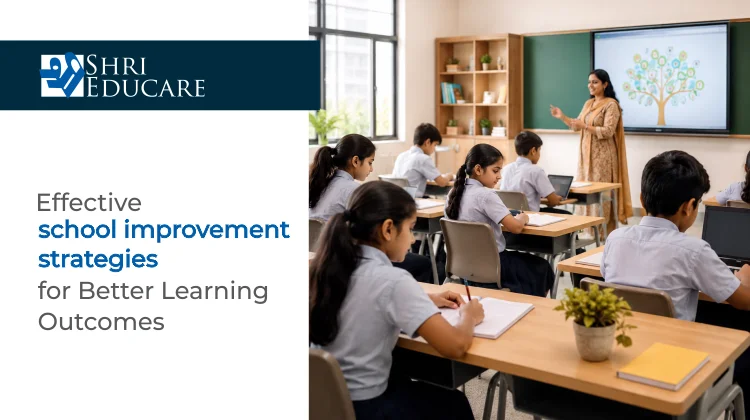
Every school wants students to learn better, feel safer and grow with confidence. But strong learning does not happen by chance. It needs planning, teamwork, clear goals and regular action. This is where school improvement strategies become very important. A school may have good teachers, bright students and a strong name but if daily systems are weak, results may not improve as expected. Small changes in teaching, communication, leadership and student support can create a big impact over time. The good thing is that improvement does not always need complicated steps. Schools can start with simple ideas and build better outcomes slowly and steadily. How school improvement strategies Help Students Learn Better  Start With Clear Goals The first step is to know what the school wants to improve. Some schools may want better exam results. Some may want better classroom discipline. Others may want stronger parent communication or better teacher training. Clear goals help everyone move in the same direction. For example, a school can set goals like: When goals are clear, school improvement strategies become easier to plan and measure. Everyone knows what needs attention. Focus on Better Teaching Methods Teaching is the heart of learning. If classroom teaching is boring or too fast, students may lose interest. Many children do not speak up when they do not understand something. So, teachers need to make lessons simple, active and easy to follow. Teachers can use: Good teaching is not only about completing the syllabus. It is about helping students understand the topic properly. These small changes make learning more engaging and less stressful. Use Data to Understand Student Progress Schools collect marks, attendance records and homework reports. But the real value comes when this data is used properly. Student data helps teachers understand who is doing well and who needs extra help. It also shows patterns. For example, if many students are weak in maths the school can plan extra support. Area to Check What It Shows Action School Can Take Attendance Student regularity Speak with parents early Test marks Learning gaps Plan revision classes Homework Daily learning habit Give extra guidance Behaviour Confidence and focus Offer counselling support Data based school improvement strategies help schools make decisions with facts, not guesswork. Support Teachers With Training Teachers also need learning and support. Education keeps changing. New tools, student needs and teaching styles come up from time to time. Regular teacher training helps teachers feel more confident. It also improves classroom quality. Training can cover: A trained teacher can handle students better and explain topics more clearly. This directly supports better learning outcomes. Improve Communication With Parents Parents play a big role in a child’s learning. When schools and parents work together, students get better support. Schools should not contact parents only during problems. Regular updates build trust. Parents should know about attendance, homework, behaviour, progress and school activities. Good communication is one of the most practical school improvement strategies because it connects school learning with home support. Simple communication can include: When parents stay informed they can support the child better at home. Create a Safe and Positive School Environment Students learn better when they feel safe, respected and comfortable. A child who is scared, ignored or stressed may not perform well in class. Schools should focus on emotional safety as much as academic performance. A positive school environment includes: When students feel valued they take more interest in learning. They also become more confident in asking questions and sharing ideas. Make Learning More Student Centric Every child learns differently. Some learn quickly. Some need more time. Some understand better through visuals, while others learn through practice. Student centric learning means the school gives attention to the needs of different learners. This can be done through: Student focused school improvement strategies make learning more fair and useful for every child. Strengthen School Leadership A good school needs strong leadership. Principals, coordinators and department heads must guide the team with clarity. School leaders should listen to teachers, support students and keep the school culture positive. They should also review progress regularly. Good leadership brings discipline, direction and motivation. It keeps everyone connected to the same purpose. Strong leadership also makes school improvement strategies easier to follow because the whole team gets clear guidance. Review and Improve Regularly Improvement is not a one time job. Schools need to check what is working and what is not. A plan may look good on paper but it must show results in classrooms. If something is not helping students, it should be changed. Regular review can include: This makes school improvement strategies more practical and result focused. Encourage Life Skills Along With Studies Learning is not only about marks. Students also need confidence, teamwork, discipline, problem solving and communication skills. Schools can include life skills through classroom activities, clubs, competitions, group projects and leadership roles. This gives students a chance to think, speak, create and take responsibility. Such school improvement strategies help children grow as complete individuals, not just exam performers. Conclusion Better learning outcomes come from steady effort, not overnight changes. Schools need clear goals, strong teaching, trained teachers, parent support, safe spaces and regular review. When these areas work together, students learn with more confidence and schools become stronger from the inside. The right school improvement strategies can help every school build a better learning culture step by step.  Shri Educare supports institutions with thoughtful guidance, practical planning and expert School Consultants who help schools build systems that truly support better learning.

Effective school improvement strategies for Better Learning Outcomes Read More »

erp software for schools

Best Ways ERP software for schools Improves School Operations

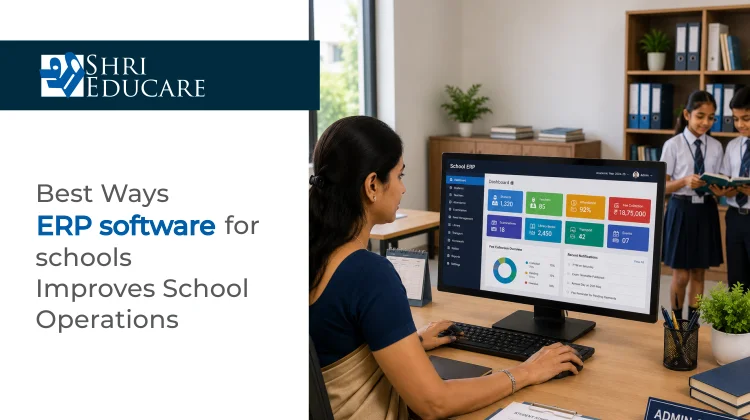
Running a school is not an easy job. Every day, many things happen at the same time. Teachers handle classes. Admin teams manage fees and records. Parents ask for updates. Students need support, safety and proper learning. When all this work is done manually, it can become slow and confusing. Papers get misplaced. Messages get delayed. Reports take time. This is where ERP software for schools can help in a very practical way. It brings many school tasks into one digital system. This makes daily work faster, cleaner and easier for everyone. What Is a School ERP System? A school ERP system is a digital platform that helps schools manage different tasks from one place. It can support: Explaining it in simple terms, ERP software for schools works like a smart control room for school operations. It keeps things organized and reduces daily pressure on the school team. Best Ways ERP software for schools Helps Schools Work Smarter  1. It Saves Time in Daily Work Schools have many small tasks that take a lot of time. Taking attendance, checking fee records, updating student details and preparing reports may look simple but they can eat up many hours. A school ERP system reduces this extra work. Teachers can mark attendance quickly. Admin staff can find records in seconds. Management can check reports without asking different departments again and again. This helps the whole school work in a smoother way. Instead of spending time on files and registers the team can focus on better student care and school improvement. 2. It Makes Parent Communication Easier Parents want regular updates about their child. They want to know about attendance, homework, exams, fees, activities and school notices. Manual communication can be slow. Sometimes a notice does not reach home. Sometimes calls are missed. Sometimes parents have to contact the school many times for one small update. ERP software for schools makes communication simple. Schools can send updates through the system. Parents can check important information on time. This helps them stay connected with their child’s school life. It also reduces pressure on the school office because fewer parents need to call for basic details. 3. It Helps Teachers Work Better Teachers already handle many responsibilities. They teach lessons, check notebooks, prepare tests, guide students and speak with parents. When teachers also have to manage too much paperwork, it becomes tiring. A school ERP system helps teachers by reducing repeated manual tasks. Teachers can: This does not replace teachers. It supports them. When teachers save time on paperwork they can give more attention to teaching and helping students. 4. It Improves Fee Management Fee management is one of the most important parts of school operations. But it can also become stressful if it is handled manually. There may be confusion about paid fees, pending fees, receipts, late payments and reminders. ERP software for schools makes this process clearer. The admin team can track payments easily. Parents can receive fee updates and reminders. Receipts can be generated faster. Pending amounts can be checked without going through long records. This creates more transparency between the school and parents. It also reduces mistakes in fee records, which is a big relief for the accounts team. 5. It Makes Admission Work Smoother Admission season can be very busy for schools. There are enquiries, calls, forms, documents, follow ups and parent meetings. If the process is not organized, schools may miss good leads or delay responses. A school ERP system helps manage admission work in a better way. It stores enquiry details, student information, document status and follow up notes in one place. The admission team can see which parent has been contacted and what step is pending. This makes the full process more professional. Parents also feel more confident when the school handles admission in a clear and smooth way. 6. It Keeps Student Data Organized Schools manage a lot of student data. This includes personal details, academic records, attendance, fee history, medical details and parent contact information. If this data is kept only in paper files, it becomes hard to manage. ERP software for schools helps keep student records organized and easy to find. Here is how it supports data management: School Task Manual Method ERP Method Attendance Registers and sheets Digital records Fee details Paper receipts Online tracking Results Manual mark entry Faster report cards Parent updates Calls and notices Instant updates Student records Files and folders One digital profile This kind of system makes information easier to use. It also helps school leaders make better decisions. 7. It Makes Exams and Results Easier Exam work needs careful planning. Schools have to prepare schedules, collect marks, calculate results and make report cards. Doing all this manually can take a lot of time. There is also a chance of human error. A school ERP system can make exam work more accurate and faster. Teachers can enter marks digitally. Reports can be created more easily. Parents can receive results in a proper format. This makes the exam process smoother for teachers, students, parents and the admin team. 8. It Supports Better Transport Management School transport needs proper tracking. Parents want to know that their children are safe. Schools need to manage routes, drivers, vehicles and pickup points. A digital ERP system can help schools keep transport records in order. It can support: This improves safety and daily coordination. Even small improvements in transport management can make a big difference in the school day. 9. It Helps School Leaders Make Better Decisions School leaders need clear information to make good decisions. They need to understand attendance, student strength, fee status, academic performance and staff workload. ERP software for schools gives useful reports that help management see what is happening. Instead of guessing, school leaders can look at real data. This helps them plan better, solve problems faster and improve school operations step by step. Conclusion A school works best when its systems are simple, clear and connected. From attendance

Best Ways ERP software for schools Improves School Operations Read More »

Investment in school franchise

What Makes Education Franchises a Smart Choice for New Entrepreneurs?

Starting a business can feel exciting and stressful at the same time. A new entrepreneur must choose the right idea, study the market, arrange funds, hire people and earn customer trust. Building everything from zero can take years. This is one reason education franchises have become an appealing choice for people who want to enter the education sector with better guidance. Education is not a passing trend. Parents will always look for reliable schools and learning centres for their children. A franchise gives entrepreneurs an existing structure while allowing them to build a trusted institution in their local area. Why Are Education Franchises a Smart Business Option for New Entrepreneurs? A Business Model That Has Already Been Tested One of the biggest worries for a new business owner is whether the idea will work. When everything is new, every decision becomes an experiment. Mistakes can cost time, money and energy. Most education franchises come with a business model that has already been tested in other locations. The entrepreneur receives guidance on setup, operations, teaching methods, staffing and admissions. Business risk still exists, of course but the owner does not have to walk into the dark without a map. A tested model can also make financial planning easier. The entrepreneur gets a clearer idea of the required space, staff, materials and operating costs. Support During the Setup Process Opening a school or learning centre involves much more than finding a building. The owner must think about classrooms, furniture, safety, technology, teaching material, staff and local rules. Reliable education franchises often support partners during the early stages. This support may include: This ready support can reduce confusion. It may also help the entrepreneur avoid common and expensive mistakes during the setup period. An Established Brand Can Build Parent Trust Parents are careful when choosing a school. They want to know whether the learning environment is safe the teachers are trained and the curriculum supports their child’s growth. A completely new name may take a long time to earn that confidence. By joining education franchises, entrepreneurs can work with a name that may already have a positive reputation. Brand recognition can make the first conversation with parents easier. However the local owner must still deliver quality. A recognised name may attract attention but good teaching and honest communication are what keep parents satisfied. Strong parent relationships can also lead to word of mouth promotion, which is highly valuable for a growing educational institution. Ready Curriculum and Teaching Resources Developing a complete curriculum requires time, research, subject knowledge and classroom testing. It must match the age of the students and support their academic, emotional, social and creative growth. Many education franchises provide prepared lesson plans, assessments, teacher guides, classroom activities and learning resources. This gives teachers a clear direction and creates a similar learning standard across different branches. The owner can focus more on leadership, parent relationships and the student experience instead of trying to build every lesson from the beginning. The curriculum may also be reviewed and updated regularly, which helps the institution stay relevant. Training for Teachers and Other Staff A strong curriculum will not bring good results unless teachers understand how to use it. Staff members also need to know how to manage admissions, records, parent questions, safety procedures and everyday school tasks. Established education franchises usually offer initial and regular training. Teachers may learn classroom methods, child engagement, lesson planning and assessment practices. Administrative teams may receive training in communication, admissions and school systems. Training helps everyone understand their roles. It also creates an organised environment where students and parents receive a consistent experience. Regular guidance can help staff improve their skills instead of feeling left on their own. Easier Marketing and Student Admissions Promoting a new school can be difficult. Entrepreneurs must reach local parents, explain the institution’s value and show how it is different from other options. Without a clear plan, advertising money can disappear quickly. Partners in education franchises may receive marketing templates, admission material, digital campaign ideas, brand guidelines and event support. These resources can make promotion easier and more professional. Local marketing still matters. Community events, parent meetings, social media updates, open houses and word of mouth recommendations can help the school build a strong presence in its area. A Clear System for Daily Operations A school manages many activities every day. Attendance, fees, timetables, lesson plans, staff schedules, transport, parent meetings and student records must all work together. The table below shows how a franchise model may differ from starting independently: Business Area Franchise Model Independent School Curriculum Prepared and tested Must be created from scratch Brand awareness Existing brand support Takes time to develop Teacher training Usually included Owner must arrange it Marketing Templates and guidance available Entire plan must be created Daily systems Standard processes provided Systems must be built independently Business support Ongoing expert guidance Limited outside support Clear systems reduce confusion and help the owner monitor school performance. They can also improve the experience of teachers, students and parents. A Chance to Build a Meaningful Business Many business owners want to earn well but they also want their work to create a positive impact. Education allows entrepreneurs to do both. Through education franchises, owners can create jobs, support teachers and provide structured learning to children in their communities. Watching students gain confidence and develop new skills can bring a strong sense of purpose. Still, education should never be treated as a quick money business. Student safety, teaching quality, responsible management and honest communication must remain the top priorities. Better Scope for Long Term Growth A well managed educational institution can continue to grow for many years. When parents are happy they often recommend the school to other families. This can build a strong local reputation and support steady admissions. Some franchise models allow entrepreneurs to expand into new locations, introduce more classes or add new learning programmes. The owner can begin with one centre, understand the system and then

What Makes Education Franchises a Smart Choice for New Entrepreneurs? Read More »

Academic success strategies

Why School Improvement Strategies Matter for Long Term Academic Success

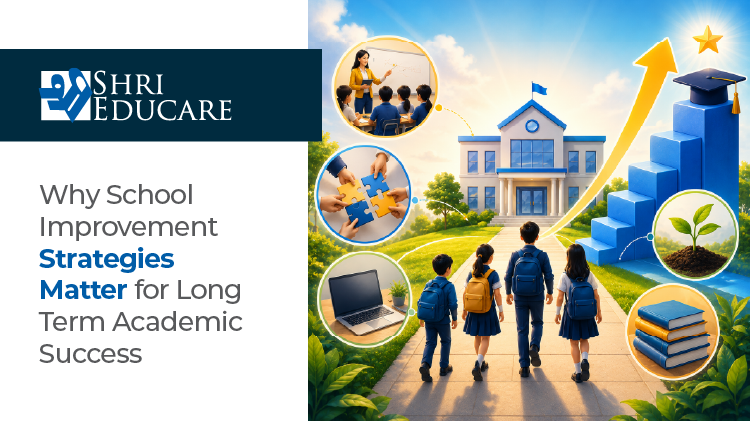
Every school wants its students to learn well and build a strong future. However, good academic results do not happen by chance. Schools need clear goals, careful planning and regular action. This is where school improvement strategies become important. They help schools understand what is working, what needs attention and what steps can improve learning. School improvement is not limited to better marks. It also covers teaching quality, student behaviour, leadership, safety, communication and the overall learning environment. When these areas improve together, students receive a stronger and more balanced education. How School Improvement Strategies Support Long Term Academic Success Creating a Clear Direction for the School A school can only move forward when everyone understands where it is going. Teachers, school leaders, students and parents should know the main goals. Without clear direction, people may work hard but still move in different ways. Well planned school improvement strategies give everyone a common purpose. They help leaders set clear targets, such as improving reading skills, making lessons more interesting or supporting students who need extra help. Once the goal is clear, every person can understand their role. Instead of trying to fix everything at once, schools can choose the most important areas and work on them step by step. This makes the improvement process easier to manage and more likely to bring lasting results. Helping Teachers Improve Their Practice Teachers play a major role in student success. Even skilled teachers need support, fresh ideas and time to improve their methods. Training sessions, lesson reviews, group discussions and helpful feedback can make a real difference. Strong school improvement strategies make teacher development a regular activity rather than a one time event. For example, if students are struggling with basic maths, the school can arrange training, provide useful teaching material and allow teachers to share methods that have worked for them. This is not about finding faults in teachers. It is about giving them the tools and support they need. When teachers feel confident and valued, they teach with greater energy. Students notice this positive change and the classroom becomes a better place to learn. Using Student Needs to Guide Decisions Every student learns differently. Some understand ideas through reading, while others learn better through pictures, activities, examples or discussions. A few students may require emotional support, while others may need more practice or advanced tasks. School improvement strategies help schools understand and respond to these different needs. Schools can review more than exam marks. They can also look at: When schools understand what students truly need, they can make smarter choices. They may introduce reading support, change lesson plans, offer counselling or create useful clubs. These steps make learning more meaningful and help students feel supported. Building a Positive School Culture A healthy school culture affects both learning and behaviour. Students perform better when they feel safe, respected and included. Teachers also work more effectively when communication is open and teamwork is encouraged. Effective school improvement strategies pay attention to the everyday experience of people inside the school. Small actions can make a big difference. Clear rules, fair discipline, regular appreciation and respectful conversations help build trust. A positive culture also makes it easier to handle problems. Teachers and students become more willing to speak openly, share ideas and ask for help. Over time, everyone starts to feel responsible for school growth, not just the principal or management team. Improving Leadership and Accountability Good leadership gives improvement work the push it needs. School leaders must set priorities, guide teams, review progress and make changes when required. They also need to listen carefully to teachers, students and parents. Clear school improvement strategies help leaders turn large goals into practical actions. They can decide who will manage each task, when progress will be reviewed and how success will be measured. This prevents important plans from being forgotten. Accountability does not have to feel strict or stressful. It simply means checking whether the planned work is happening. When everyone knows their responsibilities, the school can act faster and solve small issues before they become serious problems. Strengthening Parent and Community Involvement Parents are important partners in a child’s education. They understand their children well and can support learning at home. Still, many schools contact parents only when a problem appears. This can create distance and confusion. School improvement strategies often include better communication with parents and the wider community. Schools can involve families through: When parents understand the school’s goals, they can support those goals at home. Community members can also offer useful knowledge, guidance, resources or practical experiences. Such involvement makes education feel more connected to everyday life. Supporting Long Term Progress Quick fixes may bring short term results but they rarely create deep change. A school may improve marks for one term through extra tests but those gains may disappear if teaching quality and student support remain the same. Sustainable school improvement strategies focus on steady progress. They include regular reviews, teacher development, realistic goals and strong leadership. Schools can check what is working, learn from mistakes and adjust their plans without losing direction. Long term progress also requires patience. Some changes may take months or even years to show full results. The key is to remain consistent. When improvement becomes part of daily school life, academic success becomes easier to maintain. Conclusion Academic success grows through many connected efforts. Clear goals, skilled teachers, student focused planning, positive culture, good leadership and parent support all play an important role. School improvement strategies bring these areas together and help schools grow in a practical, planned and lasting way. Schools seeking professional guidance can work with a School Consultant in India to make the process more focused and manageable. Shri Educare supports schools in creating strong systems that encourage better teaching, meaningful learning and long term academic success.

Why School Improvement Strategies Matter for Long Term Academic Success Read More »

Holistic Development in students

What Is the Real Importance of Holistic Education in School Life?

School life is not only about books, marks, exams and report cards. Of course, studies matter. Every child needs strong reading, writing, number and thinking skills. But a child is more than a student sitting in a classroom. A child has emotions, dreams, habits, talents, fears, ideas and a personality that is still growing. This is where the importance of holistic education becomes very clear. Holistic education looks at the complete growth of a child. It supports the mind, body, emotions, social skills, values, creativity and confidence. It helps children learn how to think, behave, express, solve problems and live with others. In simple words, it prepares children not just for exams but for life. What Does Holistic Education Mean? Holistic education means teaching children in a balanced way. It does not focus only on textbook learning. It also gives importance to sports, arts, communication, emotional health, teamwork, discipline, kindness, leadership and real life understanding. The importance of holistic education is seen when children start becoming more aware of themselves and the world around them. They learn how to ask questions, share opinions, listen to others and make better choices. They also understand that learning is not limited to one subject or one classroom. For example, a science project can teach research. A group activity can teach teamwork. A school play can build confidence. A sports match can teach patience and fair play. These small experiences slowly shape a child’s character. The Importance of Holistic Education in Every Student’s School Life It Builds Confidence in Children Many children are bright but they may feel shy or scared to speak. Some may be good at studies but unsure about joining group tasks. Some may have creative ideas but may not know how to express them. The importance of holistic education lies in giving every child space to grow at their own pace. When students take part in debates, music, art, storytelling, sports, drama and class discussions they become more confident. They learn that their voice matters. Confidence does not come in one day. It grows when children feel supported. A healthy school environment helps them try, fail, learn and try again without fear. It Supports Emotional Growth Children also feel stress, sadness, anger, pressure and confusion. Sometimes adults think school children have no real worries but that is not true. They may worry about marks, friendships, comparison, family expectations or fitting in. This is why the importance of holistic education is not just academic. It helps children understand emotions in a better way. They learn how to manage disappointment, handle mistakes, respect others and speak when they need help. A child who understands emotions can build better relationships. They become calmer, kinder and more balanced. This emotional strength helps them not only in school but also later in life. It Encourages Better Social Skills School is one of the first places where children learn how to live with others. They meet classmates from different homes, habits, cultures and thinking styles. They learn to share, wait, help, lead, follow and adjust. The importance of holistic education can be seen in how it improves social behaviour. Group projects, classroom activities, sports teams, field trips and cultural events help students interact naturally. They learn that everyone is different and that difference should be respected. Good social skills make children more comfortable in public spaces. They learn how to talk politely, solve small conflicts and work with people. It Makes Learning More Interesting When learning is only about memorising answers, students may lose interest. But when lessons include activities, stories, experiments, role play, projects and outdoor learning, education becomes more meaningful. The importance of holistic education is that it makes learning feel alive. Children do not just read about plants; they may grow one. They do not just learn about teamwork; they practise it in a game. They do not just hear about kindness; they show it through action. This kind of learning stays longer in the mind because children experience it, not just repeat it. It Helps Children Discover Their Talents Every child is not the same. One may be good at numbers. Another may love painting. Someone may enjoy sports, while another may be a natural speaker. Some children may take time to find what they like and that is completely fine. The importance of holistic education is that it gives children many chances to discover their strengths. When schools offer music, dance, sports, clubs, art, reading, coding, gardening, public speaking and other activities, students get room to explore. This does not mean every child must become an artist, athlete or leader. It simply means every child should get the chance to know themselves better. It Teaches Values and Responsibility Good education should also build good human beings. Marks may open doors but values help children walk through those doors with grace. Respect, honesty, patience, empathy, discipline and responsibility are important parts of life. The importance of holistic education becomes strong here. It teaches students to care about more than personal success. They learn to respect teachers, support friends, care for the environment and understand their role in society. Small habits like keeping the classroom clean, helping a classmate, finishing work on time or speaking truthfully build responsibility over time. It Prepares Students for the Future The world is changing fast. Children today need more than textbook knowledge. They need problem solving skills, communication skills, creativity, emotional balance, teamwork and confidence. These are the skills that help them face real situations. The importance of holistic education is that it prepares students for this changing world. It helps them become flexible thinkers. They learn how to adapt, make decisions and stay curious. A student who learns only answers may struggle when life asks new questions. But a student who learns how to think can handle challenges better. Role of Teachers and Schools Teachers play a big role in holistic education. A good teacher does not only complete the syllabus. They observe students, understand

What Is the Real Importance of Holistic Education in School Life? Read More »

roadmap to open school

Key Things to Know Before Preparing a School Business Plan

Starting a school is a big dream. It is not just about opening classrooms, hiring teachers and putting up a board outside the building. A school shapes children, supports families and becomes a trusted part of society. That is why preparing a school business plan is so important before taking the first step. A good plan helps you understand what you want to build, how much money you may need, what kind of school you want to run and how you will manage it in the long run. Without a clear plan, even a good idea can become confusing. With the right plan, things start to look more practical and possible. Important Points to Consider Before Creating a School Business Plan Understand Your Vision First Before preparing a school business plan you need to know your vision clearly. What kind of school do you want to start? Will it be a preschool, primary school, senior secondary school or a full K 12 school? Do you want a modern school, a value based school or a school with strong focus on academics and life skills? Your vision is the base of everything. It will guide your curriculum, building design, teacher hiring, fee structure and parent communication. If the vision is weak the rest of the plan may also feel shaky. Study the Location Carefully Location plays a big role in the success of a school. Parents usually prefer a school that is safe, easy to reach and well connected. So, before finalising your school business plan, study the area properly. Check how many families live nearby. Look at the income group of the area. See if there are other schools around. Also, understand what parents are looking for. Some areas may need affordable schools, while others may prefer premium education with better facilities. A little ground research can save you from many mistakes later. Know the Legal and Board Requirements Starting a school comes with many rules. You need to understand land requirements, building permissions, safety norms, society or trust formation and education board guidelines. These things may sound boring but they matter a lot. A strong school business plan should include legal steps from the beginning. You should know whether you want CBSE, ICSE, state board or another education model. Each board has its own rules. If these points are ignored early they can create delays and stress later. Plan the Budget Properly Money planning is one of the most important parts of opening a school. You need funds for land, building, furniture, classrooms, labs, library, playground, technology, staff salaries, marketing, transport and daily operations. Your school business plan should not only show the starting cost. It should also include running costs for at least the first few years. Many schools take time to reach full admissions. So you need to be ready for that period. A clear budget helps you avoid sudden financial pressure. Define the Fee Structure The fee structure should match your school’s facilities, location, target parents and education quality. If the fees are too high for the area, admissions may become slow. If the fees are too low, running the school may become difficult. A practical school business plan should show how the fees will support the school’s growth. It should include admission fees, tuition fees, transport fees, annual charges and other possible income sources. The aim is to keep the school affordable for parents and sustainable for management. Focus on Curriculum and Learning Approach Parents today want more than textbook learning. They want schools that build confidence, communication skills, creativity, discipline and problem solving ability. So your curriculum approach should be clear. Will your school focus on activity based learning? Will you include sports, arts, technology and life skills? How will teachers assess students? These answers should be part of your school business plan. A school with a clear academic direction always looks more trustworthy. Hire the Right Team A school is only as strong as its team. Teachers, coordinators, principal, admin staff, counsellors and support staff all shape the school experience. Good infrastructure is useful but good people make the real difference. Your hiring plan should include staff roles, qualifications, training needs and salary structure. If you want a school that runs smoothly, do not treat hiring as a last minute task. Add it properly in your planning. Think About Infrastructure and Safety Parents notice the school building closely. Classrooms should be bright, clean and comfortable. There should be safe entry and exit points, proper washrooms, drinking water, CCTV, fire safety systems, medical support and enough play space. A well prepared school business plan should include infrastructure details clearly. You do not need to make everything fancy but it should be safe, useful and child friendly. A school building should make children feel happy and parents feel confident. Plan Admissions and Marketing Even a good school needs strong visibility. Parents must know who you are, what you offer and why they should trust you. This is where branding, school website, social media, local campaigns, parent meetings and admission counselling become important. Your marketing plan should be simple but steady. Do not wait until the school is fully ready. Start building awareness early. Share your vision, facilities, teaching approach and benefits in a clear way. This helps parents remember your school when admission time comes. Prepare for Long Term Growth A school cannot be planned only for the first year. You need to think about the next five to ten years. How will the school grow class by class? When will you add labs, sports facilities, transport routes or new academic programs? Your school business plan should show future growth in a realistic way. This includes admission targets, revenue growth, staff expansion, infrastructure development and quality improvement. Step by step growth is better than rushing everything at once. Keep Quality at the Centre At the end of the day, parents trust a school because of quality. They look at teaching, discipline, safety, communication, values

Key Things to Know Before Preparing a School Business Plan Read More »

AI in Education

How artificial intelligence in education Is Changing the Way Students Learn

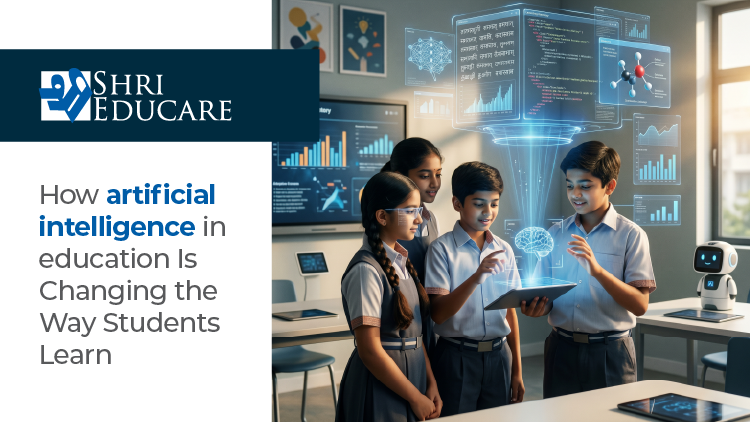
Learning has changed a lot over the years. Earlier, students mostly learned from textbooks, blackboards, and classroom notes. Today, they still need teachers, books, and discipline, but they also have new tools that make learning more personal and active. This is where artificial intelligence in education is making a big difference. AI is not here to replace teachers. That is a common fear, but it is not the real picture. AI is more like a smart support system. It helps teachers understand students better, gives learners faster help, and makes classroom learning more flexible. When used in the right way, it can make education more useful, simple, and connected to real life. How Artificial Intelligence in Education Is Changing the Way Students Learn Learning Becomes More Personal Every student learns differently. Some students understand a topic quickly. Some need more examples. Some learn better through videos, while others prefer reading, activities, or practice questions. In a normal classroom, it can be hard for one teacher to give a different learning path to every child. At its heart, artificial intelligence in education helps solve this problem. AI-based learning tools can understand how a student is performing. If a child is weak in fractions, the tool can give more practice in that area. If another child is already strong, the tool can move them to harder questions. This does not mean the teacher’s role becomes less important. In fact, it gives teachers more useful information. They can see where students are struggling and support them at the right time. Faster Feedback Helps Students Improve Feedback is very important in learning. When students know what they did wrong, they can correct it. But if feedback comes too late, the learning gap may become bigger. Many students lose interest when they do not understand their mistakes. With artificial intelligence in education, feedback can become faster. AI tools can check quizzes, suggest corrections, and show students where they need to improve. For example, if a student answers a maths question incorrectly, the tool can show the steps again. If a student writes a weak sentence, the tool can suggest a better way to write it. This quick support keeps students moving. They do not have to wait for the next class or the next test to know where they stand. It is like having a small helper beside them while they learn. Teachers Get Better Support Teachers do much more than teach chapters. They plan lessons, check assignments, handle records, guide students, talk to parents, and manage classroom needs. It is a lot of work, and sometimes it can take away time from actual teaching. One strong change brought by artificial intelligence in education is that teachers can save time on repeated tasks. AI tools can help with lesson planning, student reports, quiz creation, and learning analysis. This gives teachers more time to focus on children, discussions, doubts, and classroom bonding. A teacher will always bring care, patience, and human understanding. AI cannot replace that. But it can reduce some extra load and make teaching more focused. Students Can Learn at Their Own Speed Not every child feels comfortable asking questions in class. Some students are shy. Some fear that others may laugh. Some need to hear the same idea many times before they understand it fully. Another useful part of artificial intelligence in education is that it allows students to learn at their own pace. A student can repeat a lesson, pause a video, take extra practice, or revise a topic without feeling judged. This builds confidence slowly. For many children, this can be a big relief. They get space to learn without pressure. And once they feel safe, they often become more active in the classroom too. Learning Becomes More Engaging Let us be honest. Some lessons can feel boring when they are taught only through long notes. Students today are growing up in a world full of screens, visuals, games, and quick information. Schools cannot ignore this change. AI can make learning more interactive through smart games, virtual activities, voice tools, practice apps, and visual examples. A science lesson can become more exciting with simulations. A language lesson can become better with speaking practice. A history topic can become more alive through digital storytelling. Still, artificial intelligence in education should be used with balance. Technology should not become a distraction. It should support learning, not take over the child’s attention. The goal is not more screen time. The goal is better learning time. Better Understanding of Student Progress Marks show one part of a student’s performance. But they do not always show the full picture. A child may score less because of fear, confusion, lack of practice, or weak basics. Another child may score well but still need help in thinking skills or creativity. AI tools can help schools study learning patterns more deeply. They can show which topics are difficult for most students, which children need extra support, and which teaching methods are working better. This makes school planning more thoughtful. For schools, artificial intelligence in education can bring better decision-making. It helps leaders and teachers move from guesswork to clearer understanding. When schools know the real learning gaps, they can take better action. Preparing Students for the Future The world outside school is changing fast. Many careers now use technology, data, automation, and digital tools. Students do not need to become computer experts in every field, but they should understand how technology works around them. AI-based learning helps students build curiosity, problem-solving skills, and digital confidence. It can also teach them to ask better questions. This is very important because the future will not only reward students who remember answers. It will reward students who can think, adapt, and learn again and again. At the same time, schools must teach responsible use of AI. Students should know that AI can help, but it should not do all the thinking for them. They must learn honesty, effort, originality, and common

How artificial intelligence in education Is Changing the Way Students Learn Read More »

holistic development schools

How Schools Can Support holistic development in education

Education is not only about books, marks, exams and report cards. A child is not a machine that only needs information. A child also needs confidence, kindness, courage, discipline, creativity, health and the ability to think clearly. This is where holistic development in education becomes very important. A good school helps children grow in many ways. It builds the mind but it also supports the heart, body, values, habits and social skills. When this happens, students do not just become good learners. They become better human beings too. Understanding the Real Meaning of Holistic Growth Many people think school success means high marks. Of course, marks matter. They show progress in learning. But they are not the whole picture. A child may score well but still feel nervous, confused, lonely or afraid to speak. Another child may be creative and thoughtful but may need support in academics. That is why holistic development in education looks at the full child. It asks simple but deep questions. Is the child emotionally strong? Can the child work with others? Can the child solve problems? Does the child know how to express feelings? Is the child curious? Is the child healthy and active? When schools focus on these questions, learning becomes more meaningful. Children feel seen, not just tested. The Role of Schools in Supporting Holistic Development in Education Building Strong Academic Foundations Academic learning is still the base of school life. Reading, writing, maths, science, languages and general knowledge help children understand the world. But the way these subjects are taught matters a lot. Schools can make learning more useful by connecting lessons with real life. For example, maths can be taught through shopping, budgeting or measuring objects. Science can be connected with plants, weather, food and daily habits. Language learning can include stories, speaking activities and small writing tasks. This kind of learning makes students more active. They do not just memorise. They understand. And once a child understands something clearly, confidence starts growing naturally. Giving Space for Creativity Creativity is not only about painting or music. It is about thinking in fresh ways. It is about asking, “Can this be done differently?” Children need space to imagine, try, fail and try again. Schools can support holistic development in education by giving enough time for art, music, dance theatre, storytelling, craft and design based activities. These activities help children express thoughts that they may not say in normal classroom discussions. Some children speak through colours. Some speak through movement. Some speak through stories. A school that values creativity gives every child a way to shine. Helping Children Manage Emotions Children also carry stress, fear, anger, sadness and pressure. Sometimes they do not know how to explain these feelings. They may become quiet, restless, rude or distracted. Instead of only correcting behaviour, schools should try to understand what is behind it. Teachers can help by creating a safe classroom environment. Simple things work well. A kind tone, patient listening, calm rules and regular check ins can make a big difference. Children should feel that asking for help is normal. Emotional strength does not come in one day. It grows slowly, like a plant. Schools that support feelings help students become more balanced and self aware. Encouraging Physical Health and Movement A healthy body supports a healthy mind. Children need movement, games, sports, yoga, outdoor play and simple fitness habits. Sitting for long hours can make learning dull and tiring. Physical education should not be treated like a break from “real studies.” It is part of real education. Sports teach teamwork, discipline, patience and fair play. They also help children handle winning and losing with grace. This is another important part of holistic development in education because children learn through their bodies too. A child who runs, plays, stretches and moves often feels more alert and happy. Teaching Values Through Daily Actions Values cannot be taught only through moral science chapters. Children learn values by watching adults. They notice how teachers speak, how classmates are treated and how mistakes are handled. Schools can teach honesty, respect, kindness, responsibility and empathy through daily routines. For example, students can take turns helping in class, caring for plants, keeping spaces clean or supporting younger children. Small actions build strong values. Over time, children understand that good behaviour is not just about rules. It is about respect for self and others. Creating Strong Teacher Student Relationships A teacher can change the way a child sees learning. When a teacher believes in a student the student often starts believing in themselves too. This does not always need big speeches. Sometimes, a simple “You can do better and I am here to help” is enough. For holistic development in education, teachers need to know students beyond marks. They should notice interests, fears, learning styles and personal strengths. Some children learn fast through visuals. Some need more examples. Some need encouragement before they speak. When teachers understand these differences, classrooms become more inclusive and warm. Involving Parents in the Journey Schools and parents should work like partners. A child spends time in both places, so both sides must support the same growth. If school teaches discipline but home gives no routine the child may feel confused. If home values marks only and school values overall growth, again there may be pressure. Parent meetings should not only discuss marks. They should also talk about behaviour, friendships, interests, confidence, habits and emotional well being. This makes the child’s growth clearer. Parents can also support holistic development in education by allowing children to help at home, read books, play outside, ask questions and make small decisions. Making Classrooms More Inclusive Every child is different. Some children are loud. Some are quiet. Some learn quickly. Some need more time. Some are strong in sports, while others are strong in art, logic, language or leadership. A good school does not force every child into the same box. It gives different chances to grow. Group work,

How Schools Can Support holistic development in education Read More »

Best IB Curriculum School

How to Choose the Right IB Curriculum Schools in India for Your Child

Choosing the right school is one of the most important decisions for any parent. A school does much more than teach subjects. It shapes a child’s thinking, confidence, habits, values and view of the world. This is why many parents are now exploring IB curriculum schools in India for a more global and skill based learning experience. The International Baccalaureate, commonly known as IB is known for its inquiry based learning style. It encourages students to ask questions, understand ideas deeply, solve problems and connect learning with real life. However, choosing the right IB school requires careful thought. Every school may follow the same curriculum framework but the quality of teaching, environment, leadership and support can be very different. A Parent’s Guide to Choosing the Right IB Curriculum Schools in India Understand What the IB Curriculum Offers Before choosing a school, parents should first understand what makes the IB curriculum different. It is not only about textbooks, marks and exams. It focuses on how children learn, think, express and apply knowledge. Good IB curriculum schools in India usually focus on research, communication, creativity, international mindedness and independent learning. Students are encouraged to explore topics instead of only memorising answers. This helps them become more confident and aware learners. The IB approach also supports emotional and social growth. Children learn to work in groups, share ideas, respect different views and take responsibility for their learning. This kind of education can be useful for students who may study or work in a global environment later in life. Check the School’s IB Authorisation One of the first things to check is whether the school is officially authorised to offer the IB programme. A school should not only use the word “international” in its name. It should have proper approval to offer the IB curriculum. Parents should ask which IB programme the school offers. Some schools may offer the Primary Years Programme, some may offer the Middle Years Programme and others may offer the Diploma Programme. Some schools may offer more than one. Well established IB curriculum schools in India clearly share their authorisation details, programme structure and academic approach. This shows transparency and helps parents understand what their child will actually study. Look at the Teaching Quality The quality of teachers plays a major role in IB education. Since the IB method is inquiry based, teachers need strong training and a different teaching style. They should guide students instead of simply giving ready made answers. In strong IB curriculum schools in India, teachers act more like mentors. They help children ask better questions, discuss ideas, research topics and build their own understanding. This requires patience, subject knowledge and proper IB training. Parents can check whether teachers receive regular professional development. They can also observe how teachers interact with students during school visits. A warm, confident and well trained teaching team can make a big difference in a child’s learning journey. Review the Learning Environment A good IB school should have a learning environment that supports curiosity and exploration. Classrooms should not feel stiff or stressful. They should encourage discussion, activity, reading, thinking and teamwork. The right IB curriculum schools in India usually provide libraries, labs, activity areas, sports spaces, art rooms, technology access and flexible learning zones. These facilities help students learn beyond the four walls of a classroom. However, infrastructure alone is not enough. A school may have a beautiful campus but the real value lies in how those spaces are used. Parents should look at whether students are actively involved in projects, presentations, experiments and creative work. Focus on Holistic Development IB education gives importance to the overall growth of a child. This includes academics, sports, arts, communication, leadership, emotional balance and social responsibility. Good IB curriculum schools in India help students grow as complete individuals. They may offer activities such as music theatre, visual arts, debates, sports, community service, clubs and outdoor learning. These experiences help children discover their interests and build confidence. Holistic development is important because children need more than good marks to do well in life. They need problem solving skills, teamwork, empathy, discipline and the ability to express themselves clearly. Understand Assessment Methods Assessment in IB schools is different from the traditional exam only method. Students are assessed through projects, presentations, research work, written tasks, class participation and final evaluations. Parents should understand how the school tracks student progress. A good school should share regular feedback, not just report cards. Feedback should explain what the child is doing well and where improvement is needed. This system helps students understand learning as a process. It also reduces the pressure of one final exam deciding everything. Still the school should maintain academic seriousness and clear evaluation standards. Check Parent Communication Strong parent school communication is very important, especially in an IB environment. Parents should know how the school shares updates about learning, progress, activities, behaviour and future planning. Reliable IB curriculum schools in India usually have structured communication systems. These may include parent teacher meetings, digital platforms, progress reports, newsletters, workshops and counselling support. Good communication helps parents stay connected with the child’s development. It also helps the school and family work together when a child needs support. Consider Global Exposure and University Readiness Many parents choose IB because it is recognised by universities across the world. The Diploma Programme, in particular is known for preparing students for higher education. The right IB curriculum schools in India should support students with career guidance, university counselling, subject selection, profile building and academic planning. This becomes very important in senior classes. Students should also get exposure to global ideas through projects, international events, exchange opportunities, research work and community based learning. This helps them understand the world with a wider point of view. Evaluate the School Culture A school’s culture affects children every day. Parents should look for a school that feels safe, respectful, balanced and child friendly. The environment should not be too harsh or too casual. It

How to Choose the Right IB Curriculum Schools in India for Your Child Read More »